Henderson County is blessed with great topography. We have mountains and hills which provide views of the Blue Ridge Mountains. However, once a person obtains their dream mountain home, they often discover that they have erosion problems.
Stabilizing Slopes
(Updated: March 11, 2025, 5:15 a.m.)
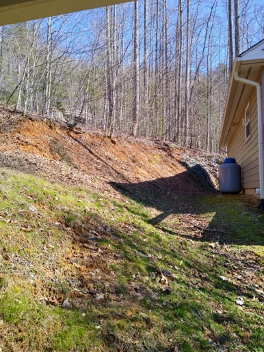
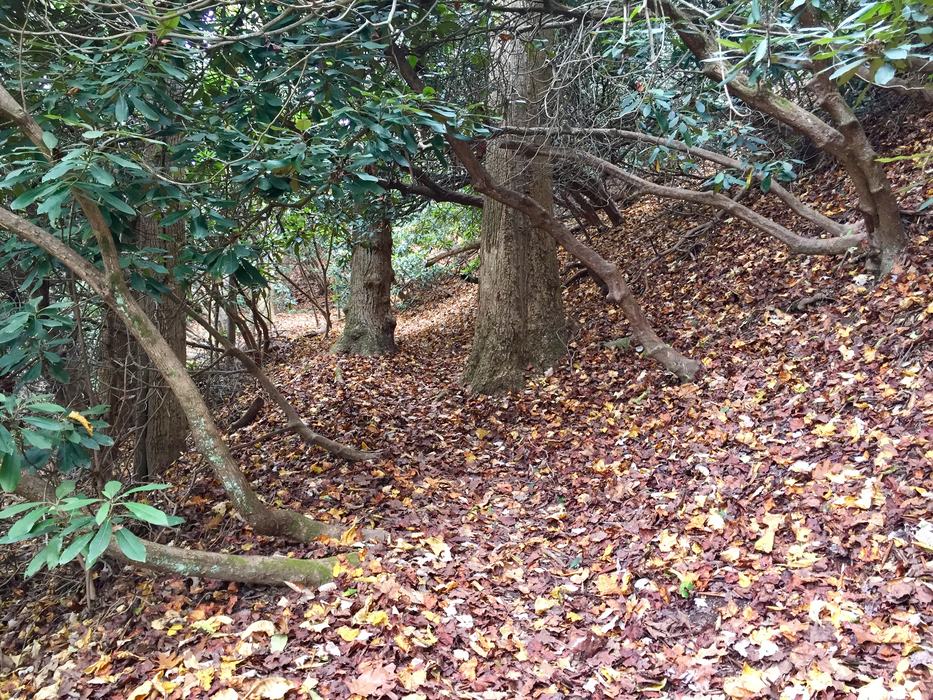
So what holds all of the mountainsides together here in Western North Carolina? A mix of trees, shrubs and a matrix of accumulated leaves and sticks that covers the forest floor. It is that simple. We should try emulate nature when landscaping.
Getting Started
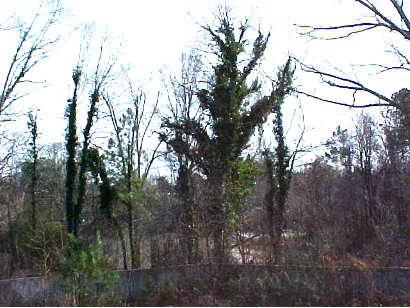
Before we talk about what to do, let’s mention what not to do. Please, avoid invasive plants such as English ivy, vinca, Asiatic jasmine, etc.!!! Most people who plant invasive plants live to regret the choice as the plants take over their property.
If your eroding slopes are too steep you will have to hire someone to grade the slope so that it is not so steep. A slope should not be over 45 degrees. Any steeper and plants have difficulty taking root. In these cases you would need to consider a retaining wall. If you are lucky and your banks are not too steep, then you have several good options for stabilizing the slope.
Triage Erosion
Stabilizing the soil as quickly as possible is critical. First, try to slow down stormwater runoff. The faster water moves, the more power it has to erode by moving soil. Create barriers across slopes using sticks, tree trunks, rocks, etc. to slow down water.
Next, cover the slope with natural jute ground fabric. Cover the soil as soon as possible to stop current erosion. This natural fabric will cover the ground and stabilize soil. Use metal staples or wooden stakes to hold the fabric.
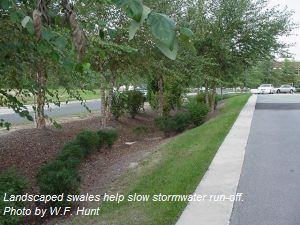
Finally, choose plants that are appropriate to the site. You have several options for plants. One is covering the slope with grasses such as Kentucky 31 fescue or creeping red fescue. Often people will treat the area as a 'no mow' area letting the grass grow tall.
Or you can use native grasses in mass plantings. These grasses do not requiring mowing. This is a great option for steep slopes. Prepare the soil (till, add lime, fertilize) and plant the seed BEFORE you put the jute cloth ground cover.
List of Native Grasses
Andropogon gerardiiBig bluestem
Andropogon glomeratus Bushy Bluestem
Andropogon ternarius Splitbeard bluestem
Andropogon virginicusBroomsedge
Aristida stricta Wiregrass
Arundinaria giganteaRiver cane/switch cane
Carex pensylvanicaPennsylvania sedge
Carex plantagineaPlantain-leaved sedge
Chasmanthium latifoliumRiver Oats
Danthonia spicataPoverty Oatgrass
Danthonia compressaOat grass
Deschampsia flexuosaCrinkled Hairgrass
Elymus hystrixBottle brush
Eragrostis spectabilisPurple Love Grass
Muhlenbergia capillaris Pink Muhly Grass
Panicum virgatumSwitch-grass
Schizachyrium scopariumLittle bluestem
Sorghastrum nutansIndian grass
Tripsacum dactyloidesEastern gammagrass

Wildflowers
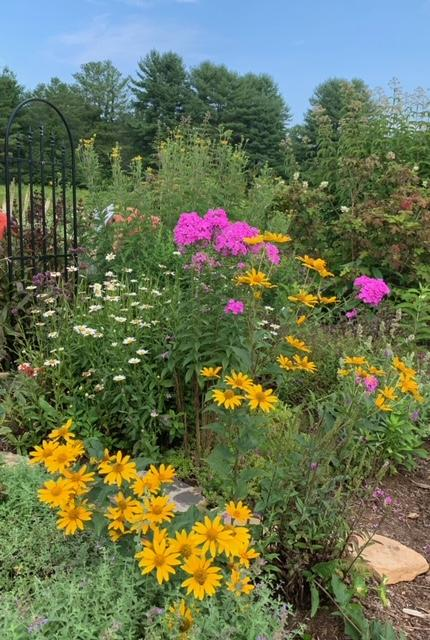
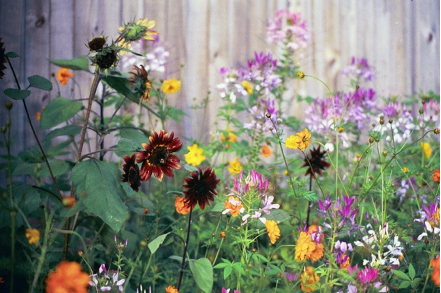
An open sunny meadow can control soil erosion better than a lawn in some cases. Wildflower mixes are readily available in large quantities from Eden Brothers seed company.I recommend their southern wildflower mix.
Wildflower seed should be scattered over the area according to labeled instructions. The soil should be stabilized on the slope until the wildflowers are established. Spread a light layer of fresh hay or straw onto the slope to prevent erosion. Open jute netting may also be used across the slope to prevent erosion. Because the jute fabric is organic, it will decompose over time. Once established, the sunny flowering perennials will secure the slope.
Trees, Shrubs
Other drought and sun tolerant plants that can secure steeply sloping areas include many shrub, vine and perennial species. Prostrate junipers, ivies, rugosa rose, and sedums can tolerate full sun conditions and a lack of watering and care. The use of an erosion fabric (use biodegradable fabrics such as jute) coupled with the use of mulches that bind (shredded hardwood mulch) will prevent weeds from occurring on the newly planted slopes. Wildflower meadows are a great way to cover larger areas of ground. Eden Brothers Seeds on Hwy 191 just north of Mills River sells seeds at a great price. I recommend their southern wildflower mix.
If grassy lawns or wildflower meadows is not your thing, perhaps you could do a mixed planting of woody plants. The other plant option is a mix of native trees, shrubs, grasses, ground covers, and perennial flowers. Cover the fabric with 3 inches of shredded mulch. Free wood chips are good too.
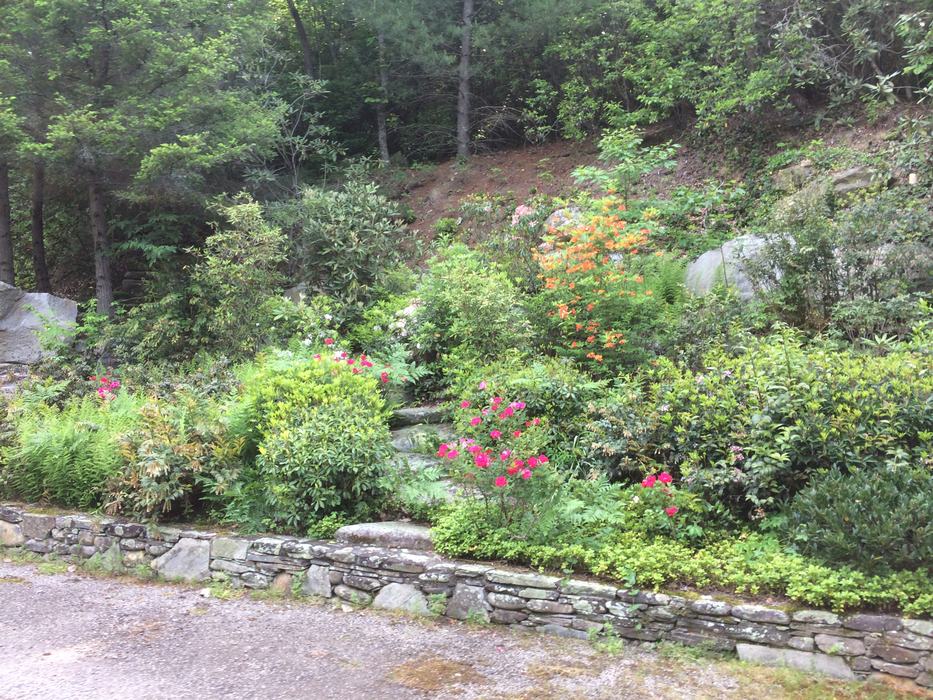
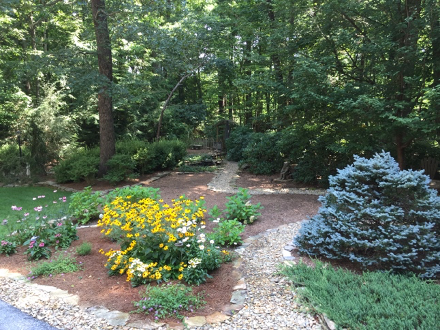
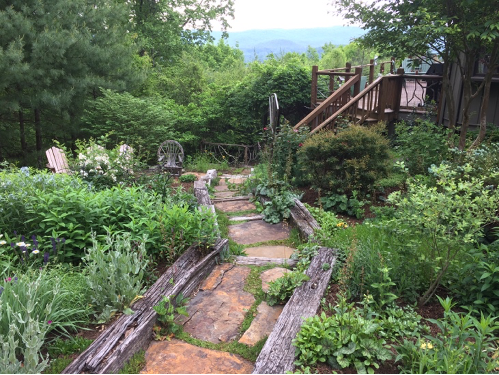
If your planting area will be in shade once the trees leaf out (if you see moss this indicates shade). Use a mix of shade-loving native trees, shrubs, and groundcover plants.
Suggested native plants for slopes:- Native trees - dogwood, service berry, redbud
- Native shrubs - rhododendron, mountain laurel, luecothoe, itea, fothergilla, winterberry, etc.
- Native grasses - bluestem, pink muhly, lovegrass, etc.
- Native groundcover - creeping phlox, partridge berry, native pachysandra
Join our mailing list!
Enter your email address to receive updates.
Written By

More About