Most gardeners have heard of aphids. These little soft-bodied insects, like their cousins whiteflies, mealybugs and scale, have a needle-like mouthpart that they use to suck the nutritious sap out of plants. The insect can multiply quickly eventually weakening plants.
But have you ever heard of a root aphid? Although less common than their foliar-feeding brethren, root aphids can weaken plants by sucking the sap out of plant roots. In plant production systems such as nurseries and greenhouses the insect can render plants unsalable.
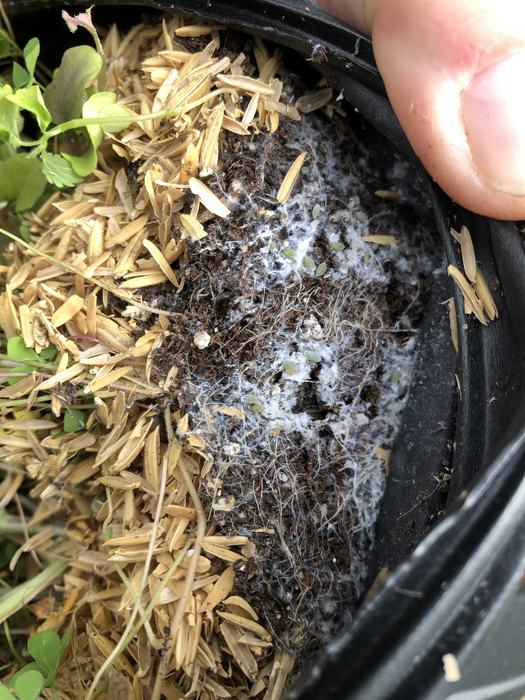
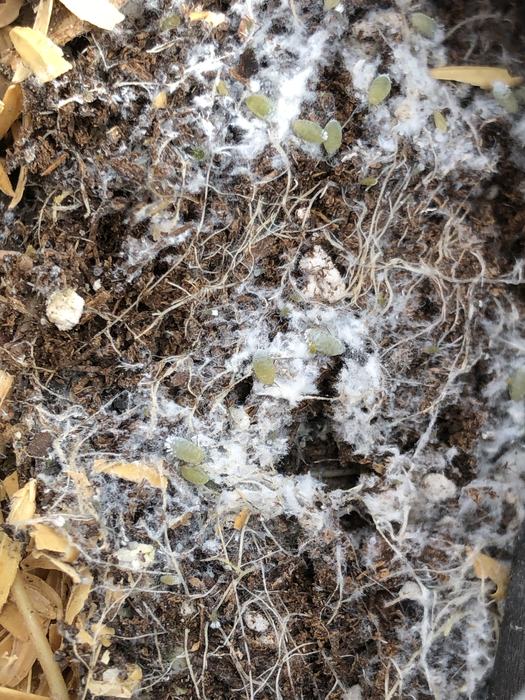
How to Spot Root Aphids Because root aphids are below ground outdoors or in the soil in potted plants, they do not move around much. They settle in area creating a colony. Although very small and hard to see, root aphids are given away by the white fluffy wax they excrete. Growers should scout plants frequently by removing plants from pots and inspecting the root balls for the white waxy excretions.
How to Control Root Aphids.
As with any pest, the first step in an Integrated Pest Management program is to scout and inspect plants. Whether you are a home gardener or a professional greenhouse grower, be sure new plants are inspected thoroughly for pests. Scout and inspect plants as they grow for pests weekly. Professionals should keep a 'scouting journal' and keep records of the results of visual inspections.
If you do discover the presence of root aphids, the best thing to do would be throw away infested plants when discovered during regular pest management scouting procedures. Practice good sanitation being sure to clean tools, pots and greenhouse benches and floors. Do not reuse potting soil.
Pesticides to Control Root Aphids If a plant is too valuable to get rid of, then a pesticide should be used. Home gardeners should try one of the
Biorational Insecticides listed in this article. Drenching with a product containing azadiractin may provide control. Multiple applications may be needed. See product label for details.
The most effective option for professional growers is to thoroughly drench potted plants with dinotefuran. However this insecticide is a neonicotinoid and there are concerns for pollinators. Dinotefuran can last weeks to several months in mature perennials so caution should be used. Do not apply a neonicotinoid if plants will be sold immediately. Refer to pesticide labels for more information and precautions.
The third best option for a professional grower is multiple soil drench applications of a pyrethroid insecticide or some other chemistry recommended for the control of aphids. Root aphids is only mentioned once in the
NC Agriculture Chemical Pest Manual and that is in the case of Christmas trees. So all we can do is follow the recommendations for foliar aphids.
Finally, no matter the growing situation, sanitation is critical. In greenhouses floors and benches should be sanitized. Any weeds in growing areas should be controlled. Any plants that are kept longterm should be inspected as well.