With more and more people choosing the outdoors to spend their time, birdwatching has soared to a new favorite hobby in WNC. Many of those backyard birders are finding ways to attract their feathered friends into their home landscapes rather than going out to find them remotely. For some, it means reducing the size of their lawns and opting for more naturalized garden areas. By using these areas to create tiers of vegetation from grasses and shrubs to trees and by planting native plants, native birds are sure to follow. Other appealing aviary tactics include using dense shrubs, like Itea and Callicarpa to create favorable habitats for shelter. This haven can also be produced by keeping some brush piles and leaf litter.
Flock to Backyard Birding
(Updated: Sept. 30, 2021, 6:21 a.m.)
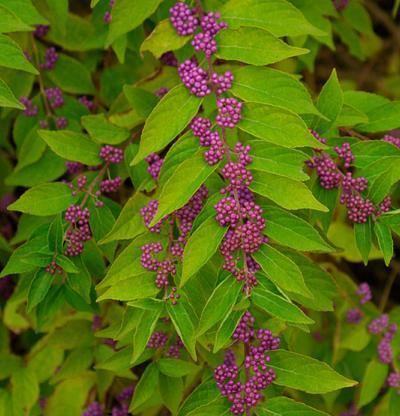
For food in the summer provide plants with nectar and fruits. Blueberries, raspberries, and blackberries, as well as perennials like phlox, monarda, and salvias, provide for a sweet summer treat. For a fall and winter food source, provide plants that produce seeds, berries, and nuts. Elderberry, Serviceberry, Staghorn sumac, and Dogwoods will satisfy those birds looking to put on extra calories for the upcoming winter. Pyracanthas will be a favorite meal for cedar waxwings in winter. Other winter berry-producing plants are Hawthorns, Winterberry hollies, and chokeberries, which provide sustenance in the months that insects, worms, and grubs are non-existent. Remember to keep your ornamental grasses overwinter before cutting them back and have some freshwater sources.
So get out your binoculars and let your inner ornithologist soar.

Join our mailing list!
Enter your email address to receive updates.
Written By

More About