Backyard Tomato Basics
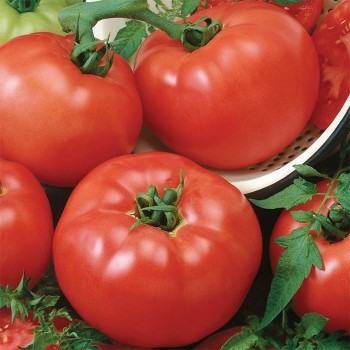
The tomato plant, first cultivated by the Aztecs in pre-historic Mexico and spread across the globe by European exploration, has long been a staple in home gardens. Today, gardeners all over the world plant tomatoes every spring. Many national cuisines would not be the same with out the fruit.
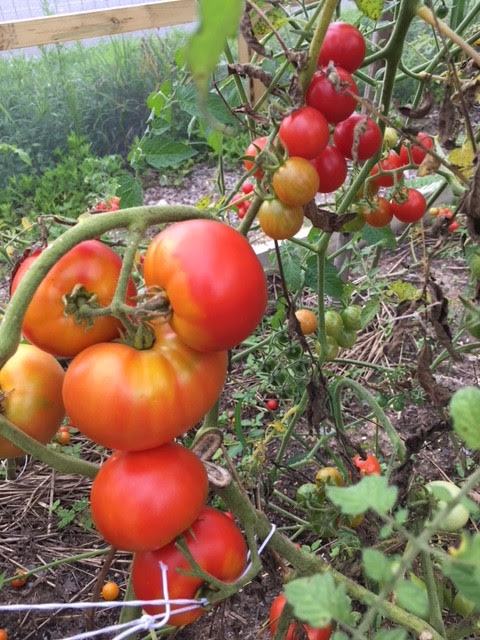
Where to Plant?
Tomatoes need lots of sun. Plants should be set in a convenient location near a water supply where they receive at least 7 hours of direct sunlight. Likely places are in an established garden area, in raised beds, in flowerbeds, and in containers on a patio.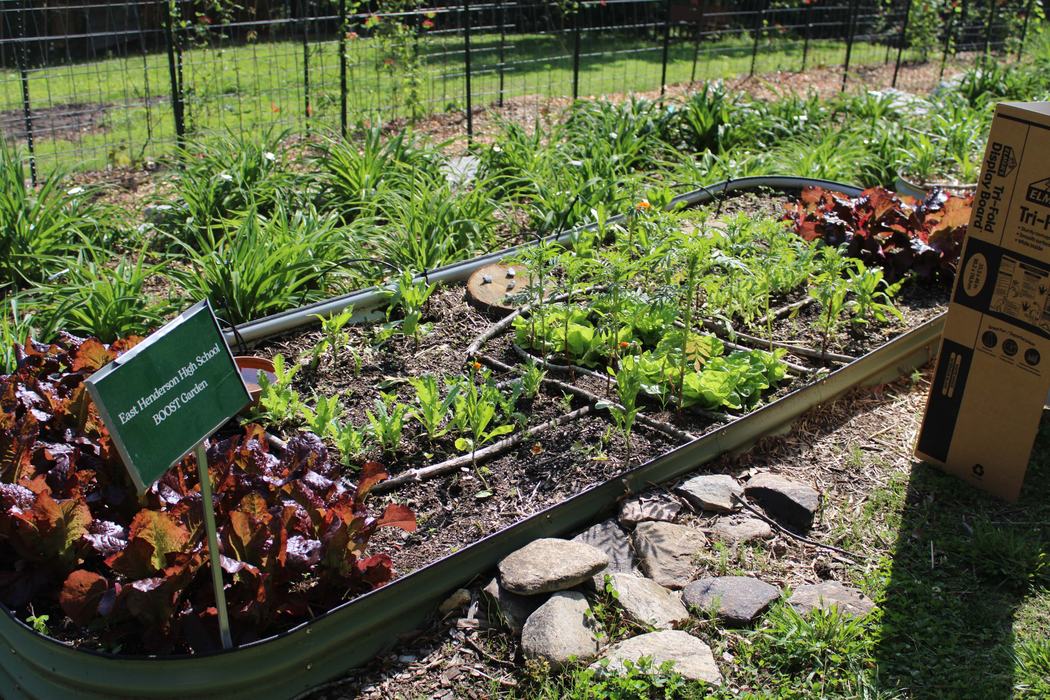
Soil Preparation
Remove all existing vegetation and debris from the area. Test the soil. Till the soil at least 8” deep and add 40 lbs of good compost per 10 square feet. Apply lime according to soil analysis results and till again.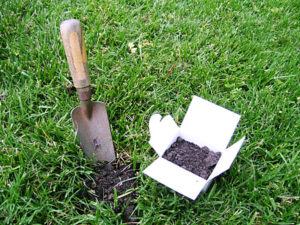
Varieties
There are many types of tomatoes. In fact, there are thousands of heirloom and hybrid plants. Heirloom varieties are plants that are open pollinated, and they are susceptible to disease and insects. Hybrid tomatoes are crosses that have been made by growers to improve the plant’s characteristics and resistance to pests. Choose the variety that is right for you and your situation.Tomatoes, Large-Fruited:
| Determinate – bush type: | Indeterminate – vining type: |
| ▪ Sunny (VFN) | ▪ BetterBoy (VFN) |
| ▪ Celebrity (VFNT) | ▪ Monte Carlo (VFN) |
| ▪ Mountain Pride (VF) | ▪ Manapal |
Tomatoes for Paste (indeterminate):
| ▪ Roma (VF) |
▪ San Marzano (VF) |
Tomatoes, Small-Fruited [Lycopersicon esculentum var. cerasiforme] (indeterminate):
| ▪ Porter, Cherry Large, Sweet 100 |
Genetic Resistance Indicators:
- "A" indicates genetic resistance to Alternaria
- "F1" indicates genetic resistance to Fusarium wilt race 1
- "F2" indicates genetic resistance to Fusarium wilt race 2
- "N" indicates genetic resistance to root knot nematodes
- "S" indicates genetic resistance to Stemphylium (gray leaf spot)
- "T" indicates genetic resistance to tobacco mosaic virus
- "V" indicates genetic resistance to Verticillium wilt
Planting
Tomatoes root readily along the stem. Remove all but the top few leaves and plant tomatoes so that most of the seedling is buried in the ground. This helps the plant establish more quickly and improves seedling survivability.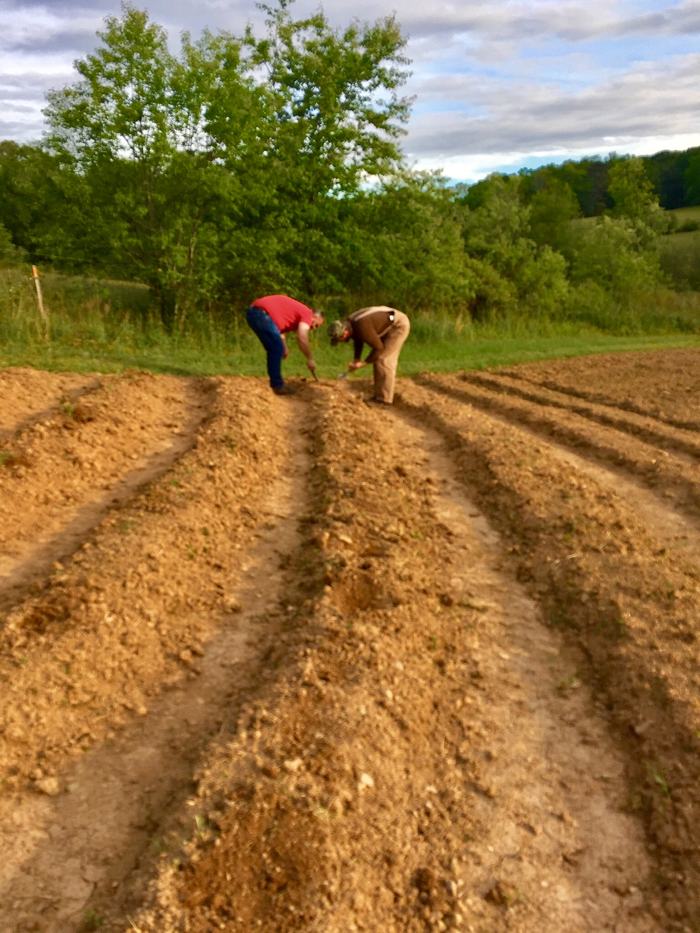
Mulch
Mulch plants with 3-4 inches of wheat straw to reduce weeds and retain soil moisture. Avoid piling mulch up against the plant stem.Staking
Tomato plants tend to grow tall, and heavy fruit will cause plants to lean over and fall. Use tomato stakes, bamboo, metal fence posts, fencing, or cages to support the plants.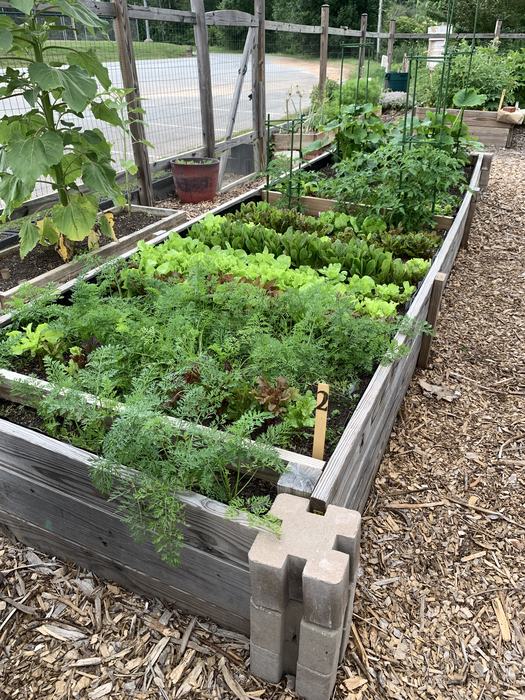
Pruning
Pruning improves plant vigor and reduces disease incidence. Remove any branches or leaves near the ground, and prune out any suckers that arise from the roots or the nodes (where branches meet the stem). Thinning some fruit from heavily fruiting plants can increase fruit size.Fertility
Fertilize every four weeks with 10-10-10.Irrigation
Irrigate your tomatoes with at least 1 inch of water per week. An inexpensive rain gauge installed in the garden will help you monitor overhead irrigation. Use a gallon jug to monitor drip irrigation.Insects
Many insects feed on tomato plants, and a few of the worst offenders are tomato hornworm, cutworm, aphids, and whiteflies. For specific control and pesticide information, see this article on tomato insects or call your local Extension Agency.Diseases
There are also many diseases that infect tomatoes. Foliar diseases include early blight, bacterial leafspot, late blight, and septoria leafspot. Root diseases include fusarium wilt, bacterial wilt, southern blight and root knot nematodes. See this article on tomato diseases or call your local Extension Agency for information about prevention and control.Harvest
The ripening time of tomatoes varies depending on variety. On average, if you plant at the first of June you should be able to start harvesting your tomatoes by the middle of July.Join our mailing list!
Enter your email address to receive updates.
Written By