The winters in Western North Carolina are warmer now and summers are not as mild as in the past. There was a time when ponds would freeze over in the winter and soil was so frozen that people couldn't bury folks in the winter time.
Avoid Invasive Plants, Utilize Native Plants
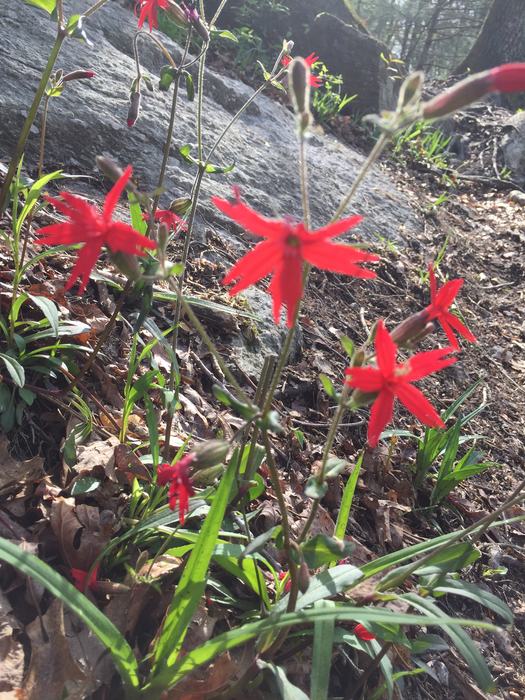
Without freezing winter temperatures to kill off plants and insects that thrive in warmer climates, native mountain ecosystems are under threat. Native plants can suffer while invasive plants thrive. Even ponds are under threat from new invasive plants and warmer temperatures.
A great way home gardeners can address potential landscape issues is to embrace native species. We have too many beautiful native plants to replace them with plants from outside the area that may not grow as well or may become invasive.
Some plants, such as miscanthus grass, may not be terribly invasive in other areas of the country but become invasive when they are transplanted to the mountains. Other plants such as English ivy and Oriental bittersweet may be more easily contained in other areas of the country but spread like wildfire in the mountains.
English ivy is very invasive in Western North Carolina. The plant competes with tree roots, chokes out native ground covers and flowers, and in the long run kills trees. Learn more about English ivy by reading this article by my colleague.
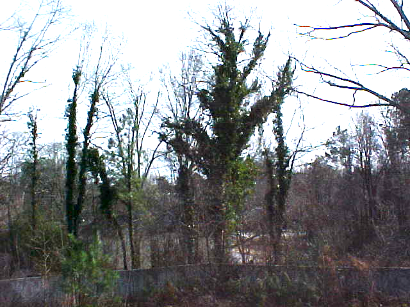
Western North Carolina is one of the best growing areas in the world. Native plants will thrive here if they don’t have to compete with invasive plants. As the climate changes and the winters get milder, invasive species will thrive and continue to push out native species. As gardeners, let's do what we can to promote native plants and kill invasive plants.
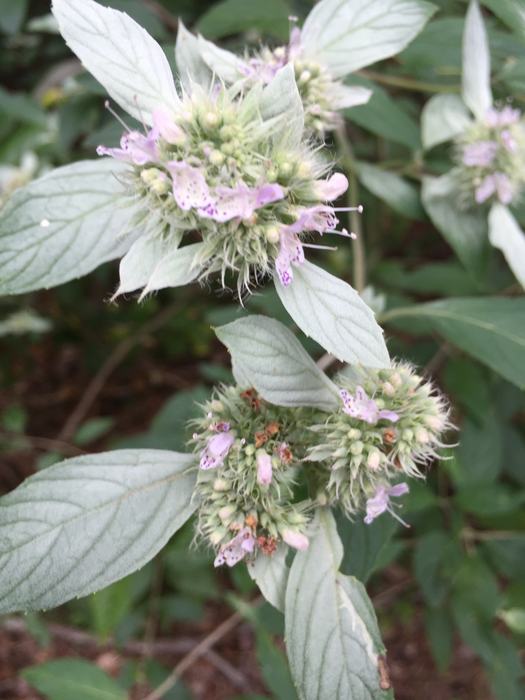
Here is a great list of native plants from the NC Native Plant Society.
Here is a list of invasive plants in North Carolina.
Join our mailing list!
Enter your email address to receive updates.
Written By