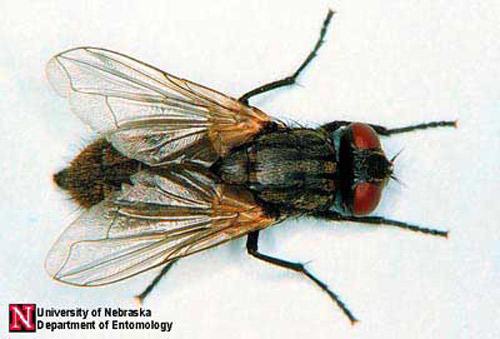
Houseflies can be a real annoyance when they get into the home. The occasional stray fly can be dealt with. However, when there seems to be an abundance of flies in the home, there is something going on.
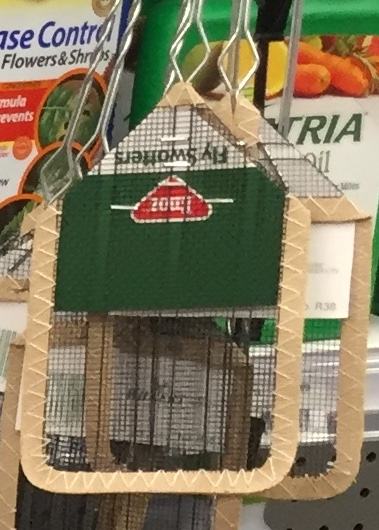
IPM or Integrated Pest Management is the use of all tactics to control a pest saving pesticides as a last resort. The first step of IPM is pest identification. IPM pest control methods include prevention (identify the source of insects), exclusion (closing any places insects can enter homes), trapping and physical destruction (fly swatter).
Kinds of Flies As is the case with all pest issues, identifying the pest is key. There are many different many types of insects in the fly group that can infest homes. These insects are associated with specific sources. There are house flies/stable/face flies (manure), blow flies (dead animals), fruit flies (rotting fruit), phorid flies (aka filth flies; garbage/drains), moth flies/fungus gnats (drain pipes). This
University of Missouri publication has a great identification guide to help you decide which fly is bugging you.
Sources of indoor house flies can vary. Sometimes there might be a dead animal in a wall, attic, crawlspace, etc. Often locating these are difficult. If you have outdoor pets or farm animals flies will emerge at the barn, chicken coop or animal pens.
Winter House flies? During warm winter days insects can emerge. Warm winter days turn into cool nights. Insects of all kinds are attracted to the warm walls of homes as the day closes and cools off. Insects can enter through poorly sealed windows or attic vents or when doors open or close. Insects tend to congregate upstairs or in the highest parts of the house where it is warmer.
Strategies for controlling indoor flies:
- Locate and seal any openings to outside. These openings can be located by finding leaking heat with an infrared camera image of the outside of the house just after dusk. Some phones have this capability now.
- If you have livestock barns/yards, chicken coops or outdoor animal pens, controlling flies in these area is important. Fly traps designed for horse farms can help. Proper manure management is important. Learn about composting animal waste in this publication. Insecticides can be used in barns as well. Consult the NC AG Chemical Manual for livestock farm pesticide options.
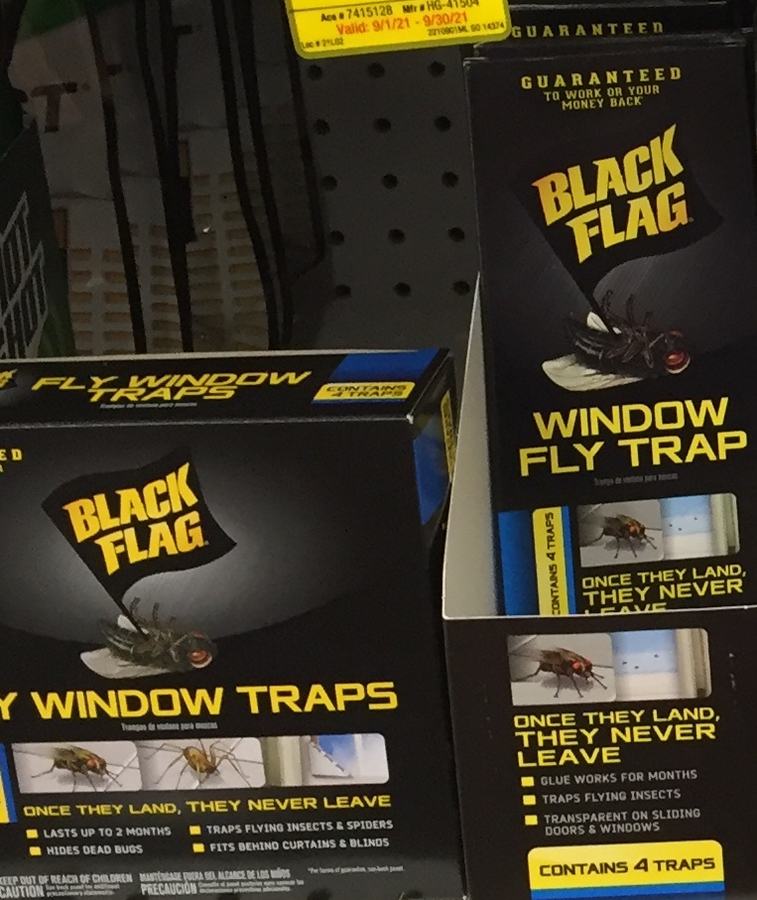
- Indoor sticky traps and canned fly spray insecticides containing bifenthrin kill adult flies.
Learn more about controlling flies in the home outdoor environment.