The annual switch between standard and daylight savings time in the United States is aimed at maximizing daylight hours. However, the upcoming time change on Sunday, March 9th, 2025 may have negative impacts on mental health and cognitive function. The body's circadian rhythm, which regulates sleep, mood, and appetite, can be disrupted by DST, leading to several days or even a week of adjustment to the new schedule. This can result in sleep deprivation and associated symptoms such as grogginess, irritability, and lack of focus. Furthermore, DST can exacerbate existing mental health conditions, including anxiety, depression, seasonal affective disorder (SAD), substance abuse, and suicidal thoughts.
Daylight Saving Time's Impact on Wellness
(Updated: March 7, 2025, 8:01 a.m.)

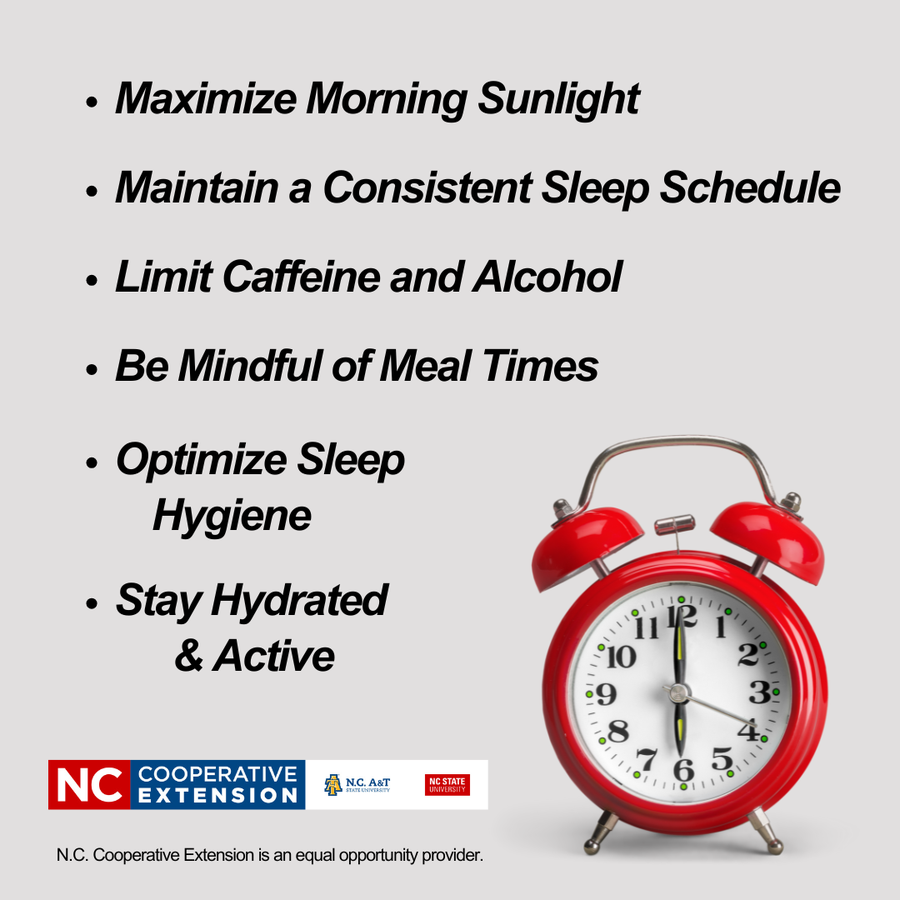
Here are a few adjustments that can be made in your daily life to ease the transition out of Daylight Savings Time.
- Maximize Morning Sunlight:
- Expose yourself to bright sunlight, especially in the morning, to help reset your body's internal clock.
- Maintain a Consistent Sleep Schedule:
- Even on weekends, try to stick to a regular sleep-wake cycle to reinforce your circadian rhythm.
- Optimize Sleep Hygiene:
- Create a relaxing bedtime routine, ensure your bedroom is dark and quiet, and avoid screen time before bed.
- Limit Caffeine and Alcohol:
- Reduce your intake of caffeine and alcohol, especially in the afternoon and evening, as they can interfere with sleep.
- Be Mindful of Meal Times:
- Try to adjust your meal times to the new time schedule, this also helps to regulate your circadian rhythm.
- Stay Hydrated and active:
- Staying hydrated, and getting regular exercise can also help your body adjust.
Join our mailing list!
Enter your email address to receive updates.
Written By