Winter storms can damage trees. Weak branches, dead wood, and poorly pruned trees can break under the weight of ice or snow. Prepare your trees for winter weather by utilizing the following suggestions:
Plant Health Alert - Winterizing Trees
(Updated: Aug. 18, 2022, 6:27 a.m.)
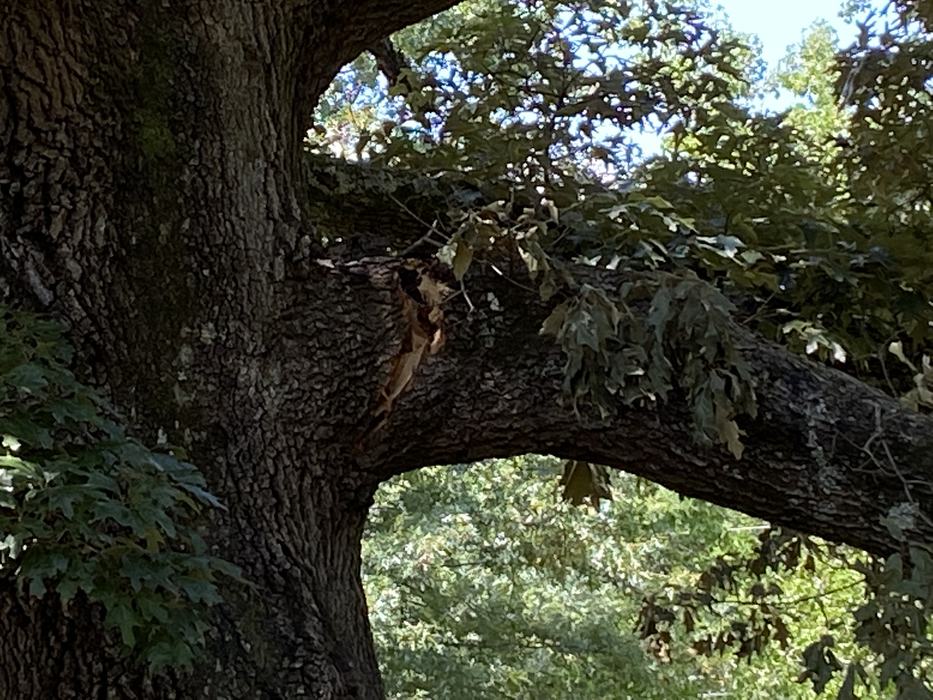
- Properly prune trees and shrubs at the correct time of year.
- Do not top trees! Topping trees harms trees.
- Remove dead and declining twigs and branches. Dead wood can be food and shelter for insect and disease pests in the winter. Dead wood can also fall under the weight of ice or snow.
- Maintain proper structure in shade trees by maintaining a single leader.
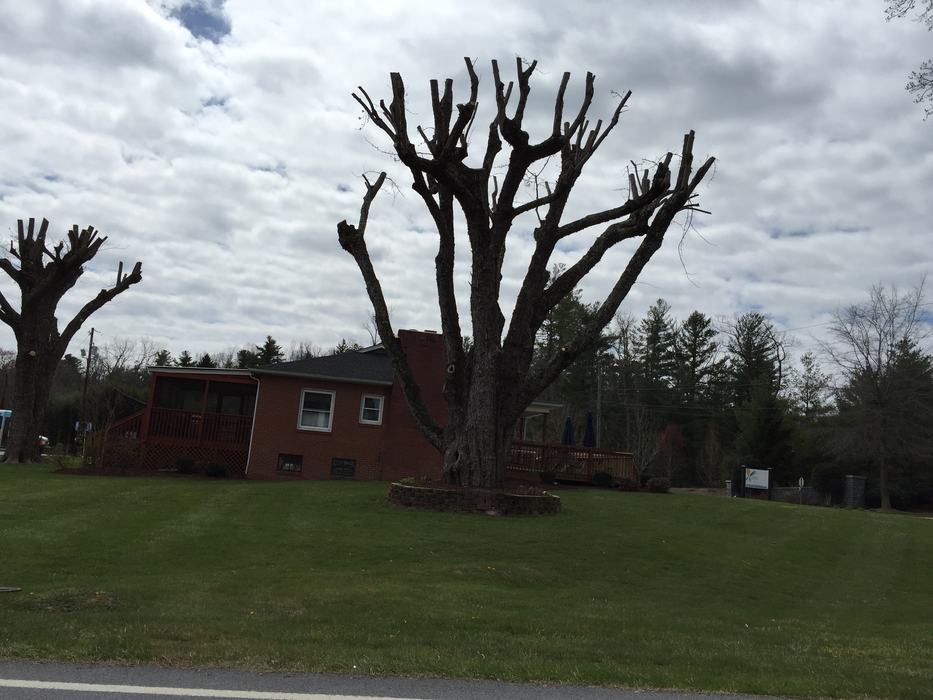
- Properly prune branches that will touch the ground when loaded with rain and snow. Foliage and branches in contact with soil can invite pests and problems.
- Spread a thin layer of composted organic mulch over an area at least as large as the branch spread. Mulch is nature’s way of recycling valuable materials.
- Remove any new sprouts at the tree base or along stems and branches.
- Aerate soils, without damaging tree roots, if compacted and poorly drained. Saturated and dense soils can suffocate roots leading to a decline in tree health.
- Fertilize with all the essential elements if they’re in short supply in the soil. Go lightly, if at all, with nitrogen, especially under large trees and around newly planted trees.
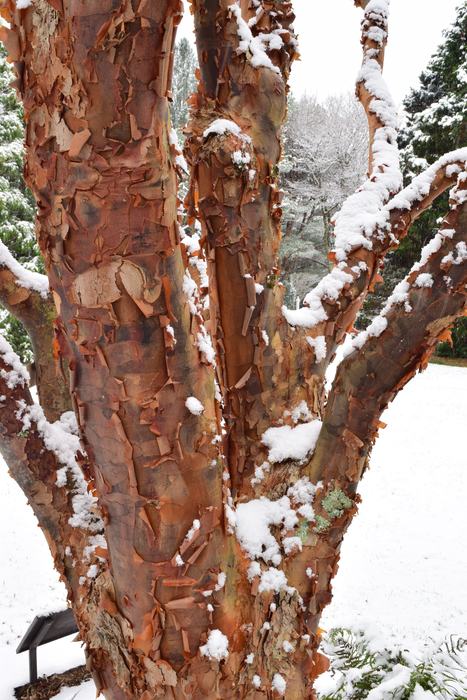
Trees are investments in property infrastructure that require a small amount of care. For the sake of your trees’ quality of life and your own, take a few minutes to winterize your trees. Wonderful springs come from well-tended winters.
Join our mailing list!
Enter your email address to receive updates.
Written By

More About