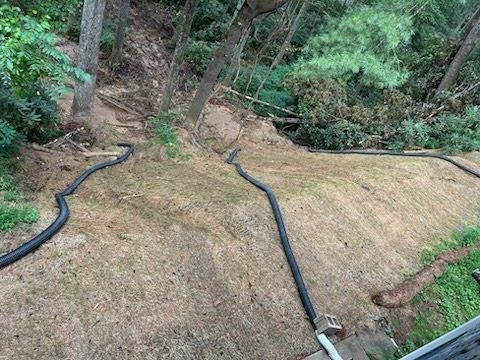
Western North Carolina can be a rainy place. Managing water in the landscape is important in preventing runoff, erosion and even landslides. A great rainwater management tool is the 'rain garden'.
A rain garden in its simplest form is simply a depression in the landscape where water accumulates during rain events. This landscape feature can range in size from just a few square meters to acres in size. In home gardens the goal is to capture as much water as is practical not capture every drop of rain from a property.
Rain gardens can help slow the flow of water by capturing it on-site. Water from roof gutters and other sources can be directed into rain gardens and away from street storm drains. Capturing rainwater prevents erosion, water pollution and stores water in soil for plants. Water captured in rain gardens can slowly seep into the soil and be stored for future plant use.
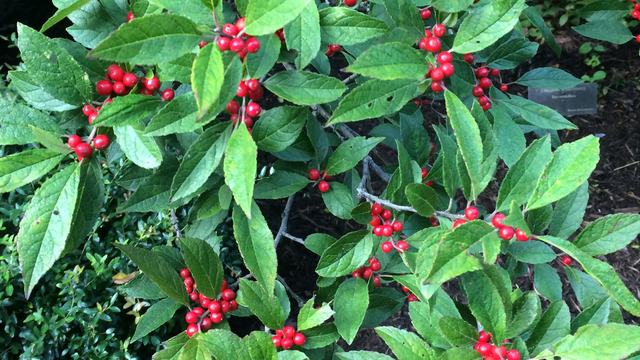
Rain gardens contain native plants that can survive wet soils. Shrubs such as Itea virginica Virginia sweetspire, Ilex verticillata Winterberry and Cornus sericea Red twigged dogwood are utilized to help capture water and for their beauty. Aquatic trees such as Taxodium distichum Bald Cypress and Magnolia virginiana Sweetbay magnolia can be added to larger rain gardens.
List of rain garden resources:
Rain garden information from NC State University
Rain garden pdf long
Rain garden pdf short