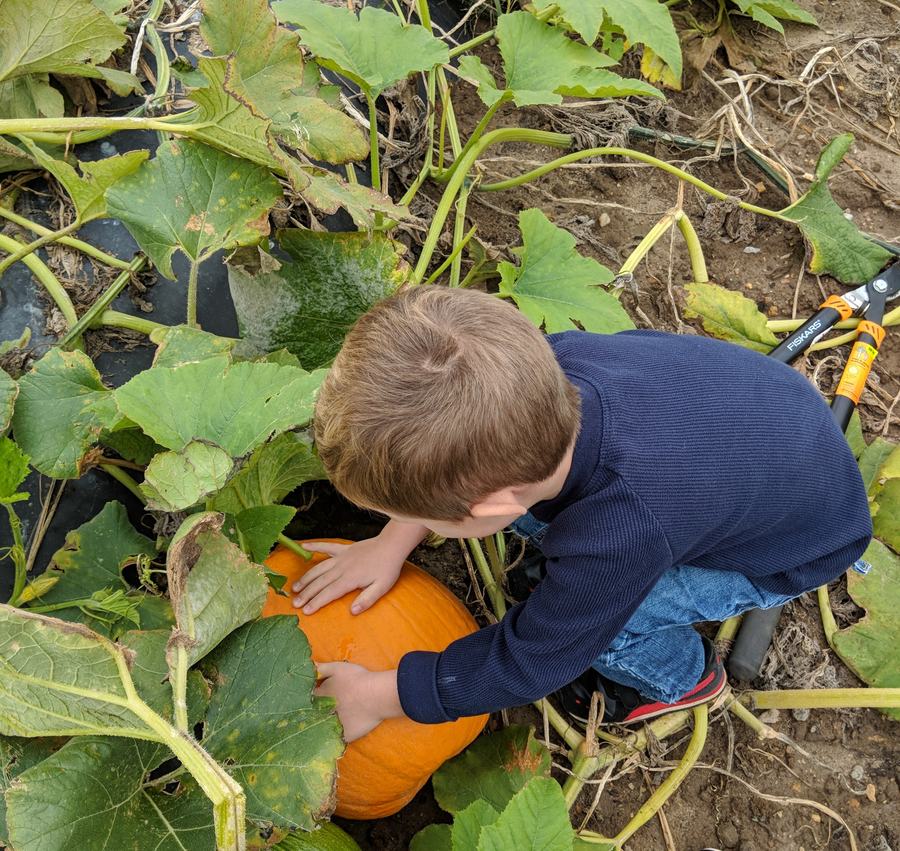
When I was a kid my grandmother always had a garden but we never really grew pumpkins. We grew tomatoes, peppers, okra, watermelons, squash and corn bur never pumpkins. Evidently pumpkins do not like to grow in the heat of middle Georgia.
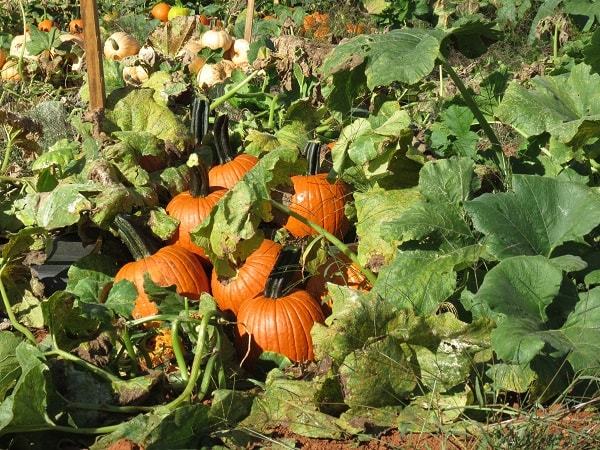
When I moved to Henderson County I learned that pumpkins were at one time a staple of mountain gardens. I was intrigued. How do you grow them? How useful is a pumpkin anyway?
Uses for Pumpkins
Most of us are familiar with the common modern uses for pumpkins as jack-o-lanterns. Recently pumpkin flavoring has become popular in lattes and other drinks in the fall. Older folks might remember using pumpkins for Thanksgiving pies, sweet breads and rolls, pumpkin sauce and roasted and salted seeds. Today, North Carolina ranks 4th in the US in the production of pumpkins.
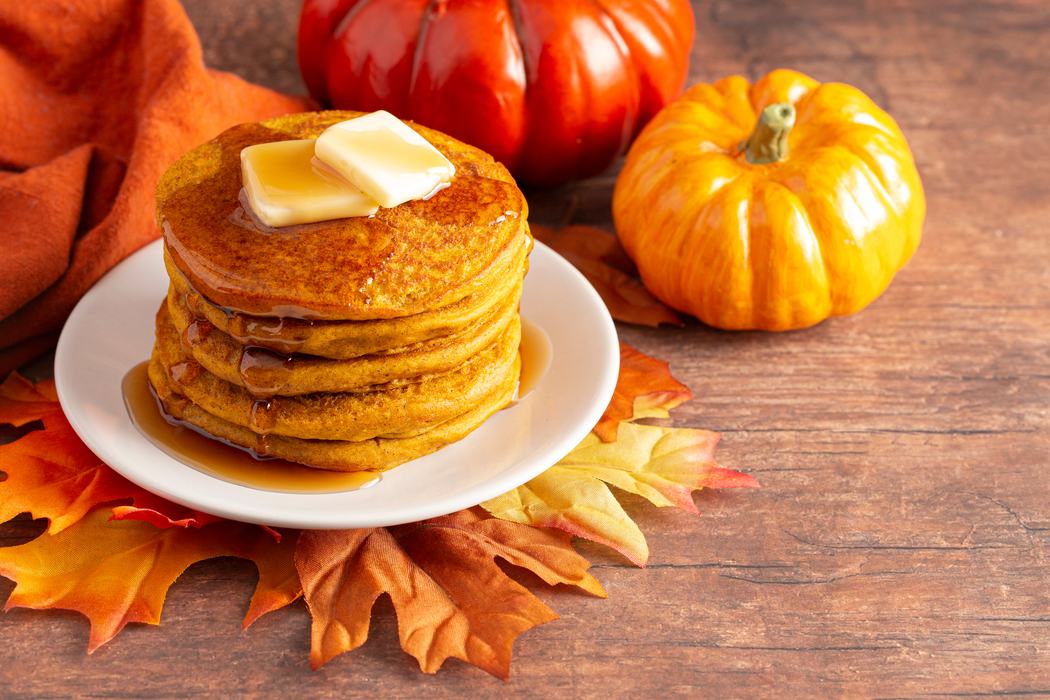
It turns out there are other uses for pumpkins that have fallen by the wayside. Pumpkins stew, roasted pumpkin, dried pumpkin leather (later to be used in soups or as snacks), pudding and even molasses. Heck, there is even rumors of pumpkin whiskey.
In one of my favorite books, ' These Storied Mountains' the author John Parris wrote about pumpkins. John Parris was the 'Hemingway of the Mountains'. He was from Haywood County and served during WWII as a war correspondent. Later he returned to western North Carolina to write about mountain folk ways recounting the stories of the mountain elders still alive in the 1960s.
In the story "Pumpkin Is More Than Just Pie' by John Parris, we learn, "Some mountain women make a pudding of boiled pumpkin. And some still make pumpkin molasses, which provided sweetenting in grandma’s day. Back then the word “molasses” was used in the same way we use “syrup” today. When cooked for a long time in a large quantity of water, strained and the water further reduced by boiling you have pumpkin molasses."
He goes on, "Then there is pumpkin whiskey. As knowledgeable old-timers will tell you, pumpkin whiskey is a heap sight easier to make than corn whiskey, and not as risky. All you need is sugar and a good-sized pumpkin. You cut a plug out of the top of the pumpkin, clean out the seeds and the pulpy mass to the meat. Then you pack the hollowed out pumpkin full of sugar, replace the plug, seal it with wax, and set the pumpkin under the bed or in a dark place. In a week or so the sugar has turned to liquid and you’ve got yourself a quart or so of whiskey."
Parris continues, "In the early days, it was used stewed in soups, in stews, in pie and pudding. The flesh was dried for winter and early spring. The seeds were used as a delicacy. The early settlers here in the hills learned to grow them in their fields of corn. It was common practice 50 years ago to plant a seed of pumpkin in a hill of corn. To the pioneers, the pumpkin was one of the most versatile of vegetables."
"Pumpkin could be stored in the fall, down under the fodder bundles, and then served as a vegetable-peeled and boiled, it was then fried- through most of the winter. It could be dried, or freshly cooked, and put into the cornbread batter."
John Parris concludes, "Most of us think of pumpkin pies when we see a wagonload of pumpkins or pumpkins sitting on the back porch or lying at the barn door waiting to be stored down under the fodder. But pumpkin is more than just pie. It is bread and a pudding, a butter and a molasses. And many a mountain family right now is savoring one or all of them."
After reading John Parris' story about pumpkins I have a new appreciation for the fall fruit. Recently I heard some folks say the the type of pumpkin used for Jack-o-lanterns were called “cow punkins”. These were grown specifically to feed the cows in the winter. Then there were “pie punkins” used for cooking. In any case, pumpkins are making a comeback!