Pest Alert - Scale Insects
(Updated: Nov. 8, 2023, 4:48 a.m.)
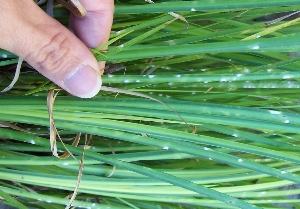
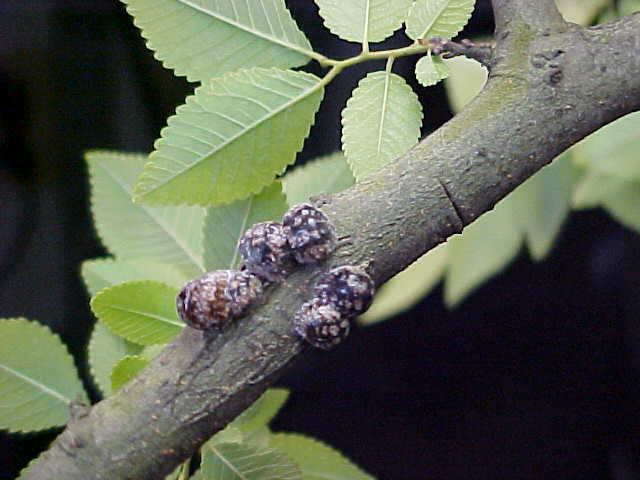
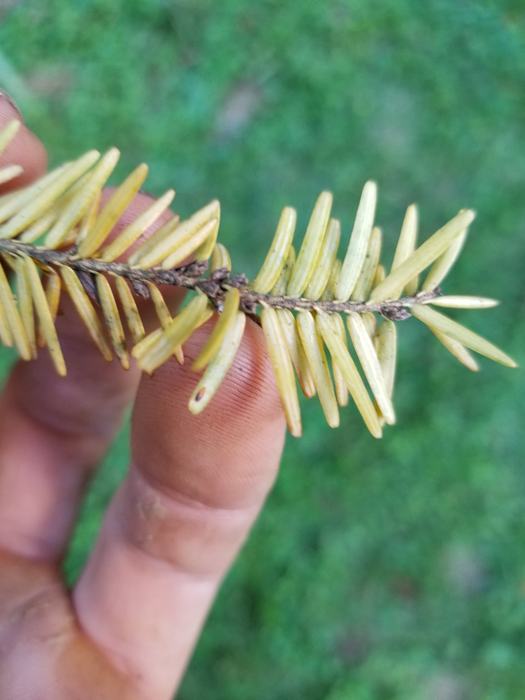
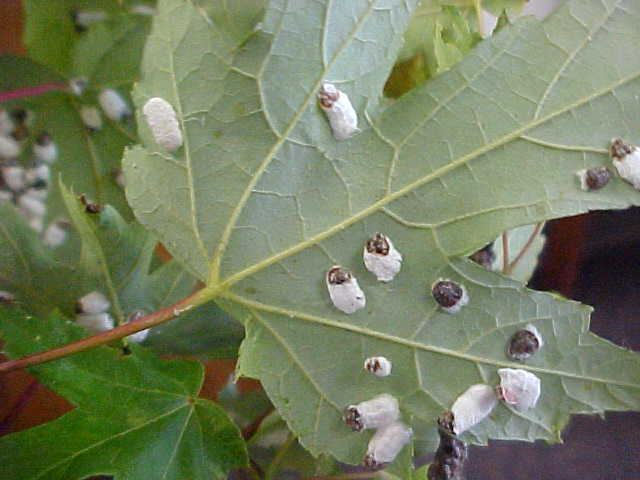
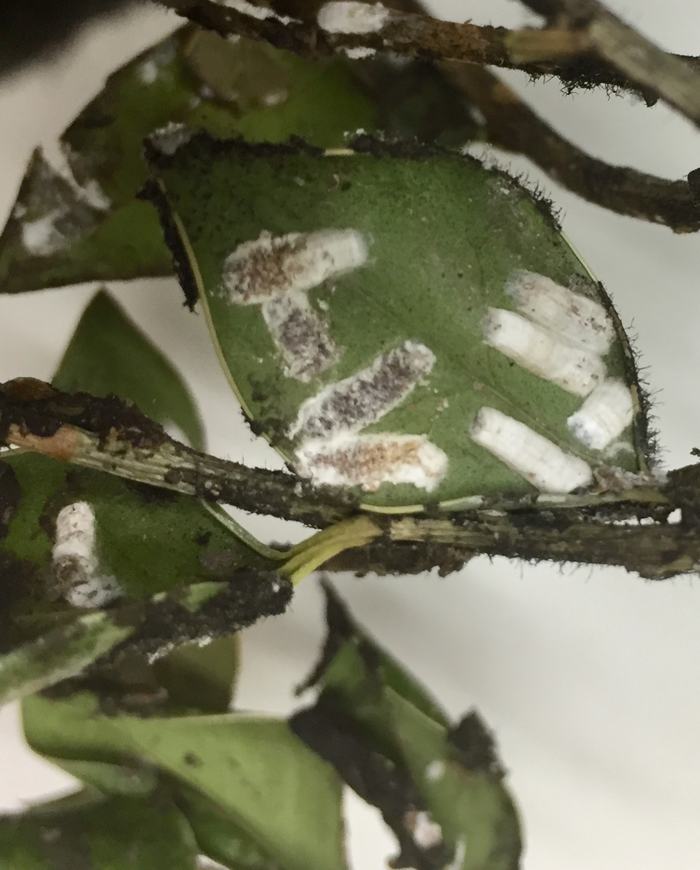
Scales are related to aphids. The difference is that scales usually grow a covering of some sort while aphids are exposed to the elements and predators. Most scale insects secrete a waxy shell while other a sticky wax. Like aphids, scales produce sugary droppings that can coat plants. A fungus called sooty mold will grow on this sticky substrate and cover plants in a dark colored mold.
Plant Damage
Scale insects occur primarily on the undersides of leaves but can also live on bark and stems. Their piercing-sucking feeding kills individual plant cells. The most conspicuous characteristic of an infested plant is yellow splotching on the upper leaf surfaces. This is a symptom of feeding insects underneath leaves. Other symptoms include the whole plant appearing unhealthy decreased number of blooms and premature leaf drop.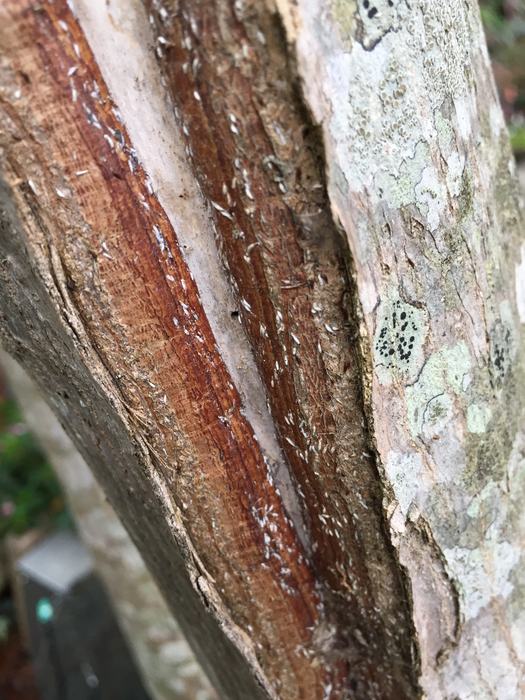
Control
Control measures include keeping plants healthy. Scales insects occur in higher numbers on plants that are stressed due to environmental conditions or improper care. Gardeners should scout their plants regularly and cut out small infestations. Cut back heavily infested plants and destroy the clippings.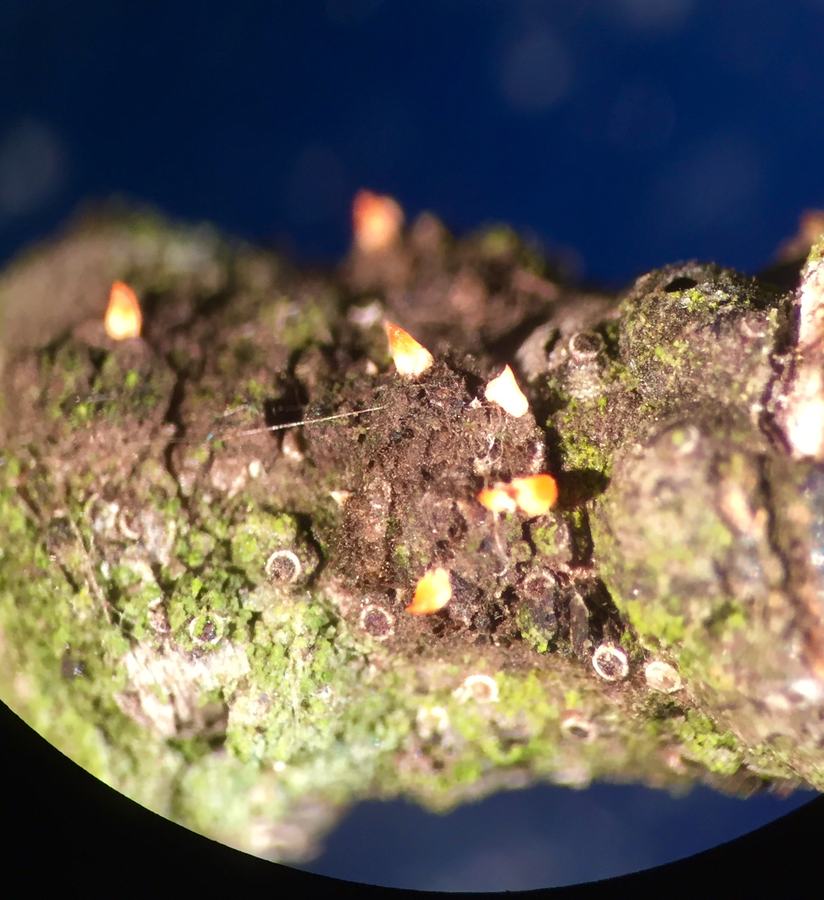
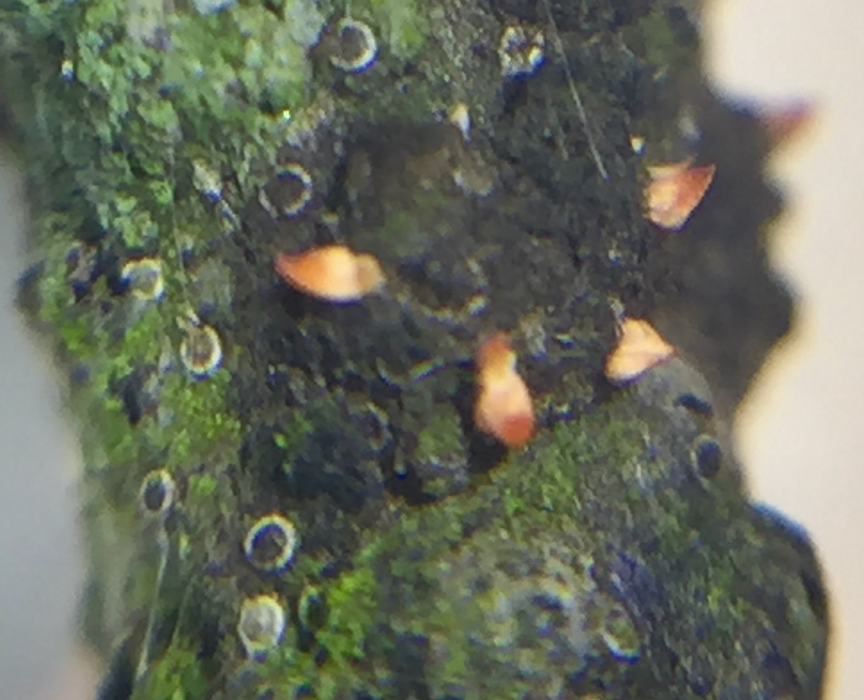
Contact insecticides are aimed at the crawler stage prior to the nymphs secreting armor or waxy cotton. Spraying with insecticides in early spring helps to reduce the insect population. Horticulture oils during the dormant season or superior oils can be used after the leaves have hardened off in late spring. Systemic insecticides kill insects that feed on plant liquids. Although very effective on scale, systemic insecticides can affect insects that feed on flower nectar. As always, read the label of any insecticide before use. Contact your County Agent with any questions.
Reducing Pesticide Use
I advocate for reducing pesticide use whenever possible. My suggestion would be only use a pesticide when you have a pest problem as a curative. Using pesticides preventatively increases the amount of pesticides that we put into the environment unnecessarily. To reduce pesticide use we can monitor our plants for pests and treating when the problem is small before it becomes a big problem. The best thing we can do is to keep our plants healthy by fertilizing, watering and pruning properly.As for the details of pesticide use, application rates depend on the formulation in the specific product you buy. Each product is different. IT IS UP TO THE END USER TO THOROUGHLY READ THE PESTICIDE LABEL AND USE THE PRODUCT CORRECTLY. In fact, the EPA regulations require the end user to read the pesticide label before using the product. So, simply read the label and it will tell you everything you need to know about using the insecticide. As for timing, a soil application in June will provide season long protection.
Join our mailing list!
Enter your email address to receive updates.
Written By