Please protect pollinating and beneficial insects by limiting pesticide use, choosing biological pesticides and targeting sprays avoiding beneficial insects.
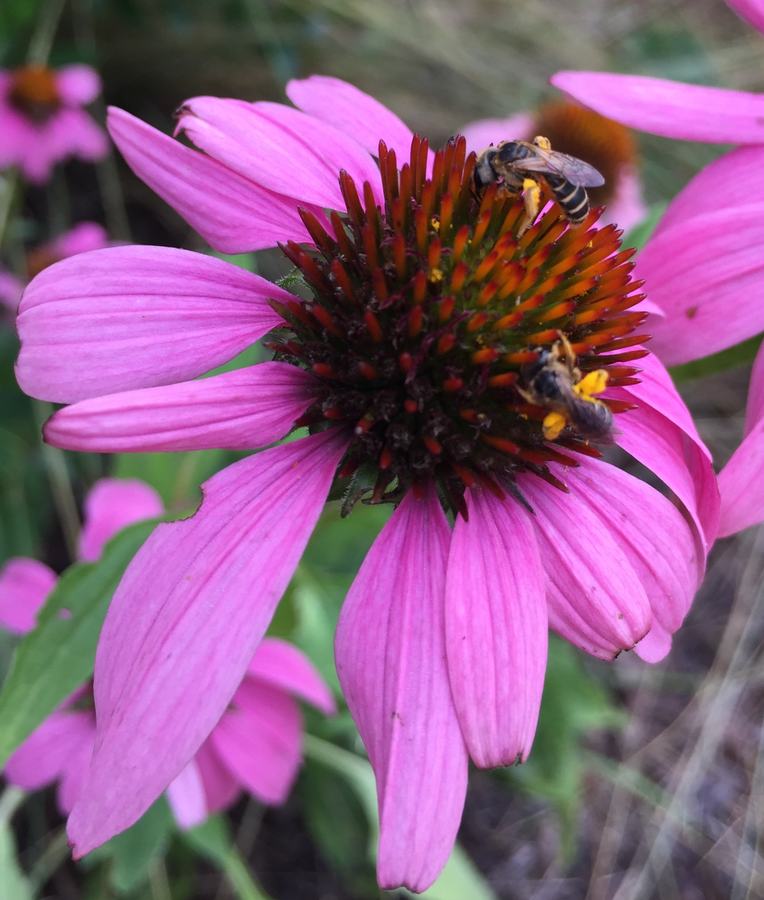
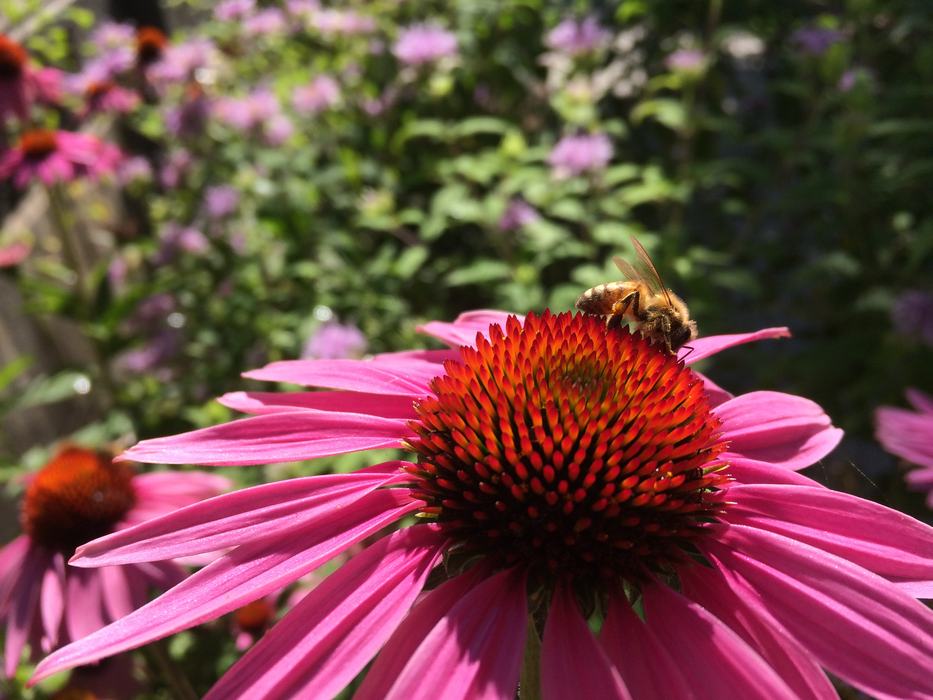
Echinacea sp. or coneflowers are very popular perennial plants in gardens today. People love them for their beautiful floral displays and because they attract and are beneficial for pollinating insects. Native to eastern and central North America, coneflowers grow in moist to dry prairies and open wooded areas. However, they are not native to the temperate rainforests in which we live.
Because we get so much rain, much of it in the evening causing plants to stay wet for more than twelve hours, many plants get diseases locally. Fungi thrive when leaves stay wet for more than twelve hours. So, in our rainy climate, coneflowers can develop a few problems, especially if they are not in full sun all day long. Any amount of shade can lead to diseases.
Diseases and Other Pest Problems of Coneflowers
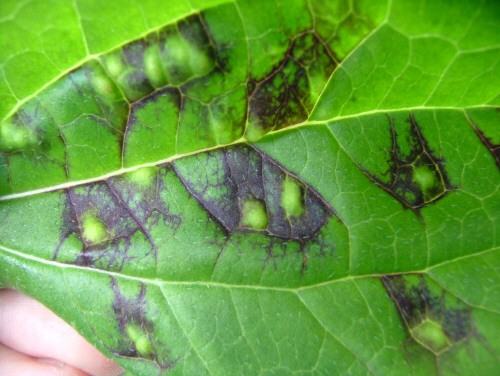
Bacterial leaf spots are bordered by veins
Bacterial Leaf Spot - Echinacea sp. (Coneflower) may get bacterial leaf spot caused by Pseudomanas or Xanthomonas bacteria. Dark leaf spots start on lower leaves then move upwards through the growing season.
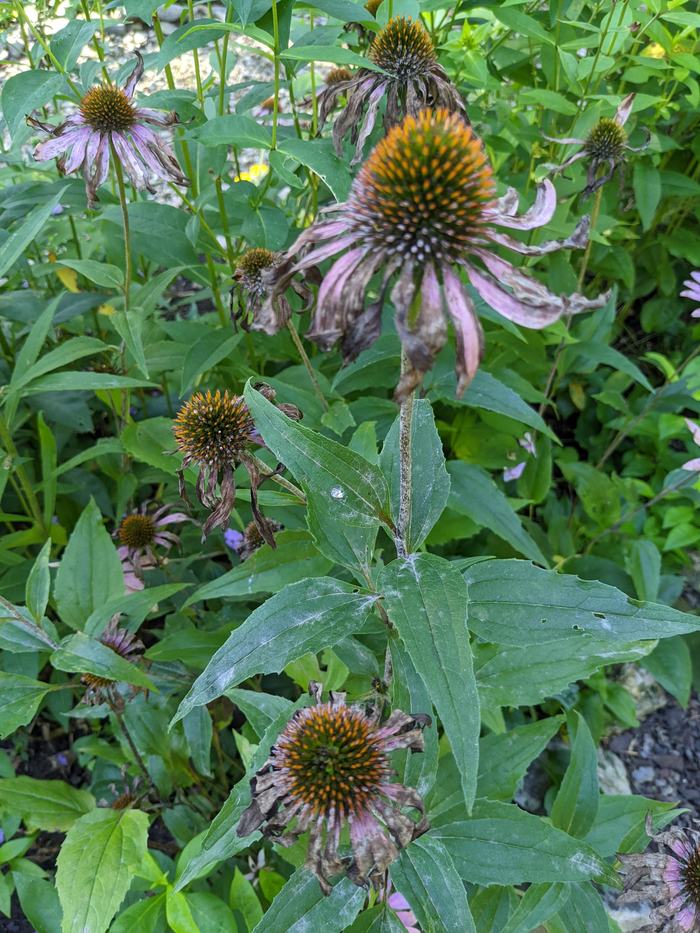
Powdery mildew is characterized by a white fungal growth on flowers, stems and leaves.
Powdery Mildew - Powdery mildew is characterized by a white fungal growth on flowers, stems and leaves. Leaves turn brown and may die under the fungus growth.
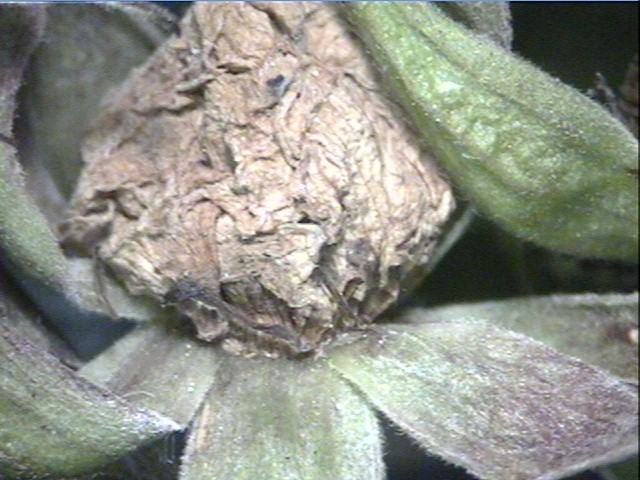
Botrytis causes brown spots in flowers (flower buds may be killed), leaves and stems.
Botrytis Blight - Botrytis causes brown spots in flowers and may kill flowers It causes spotting on leaves and stems. Sometimes, the plants die.
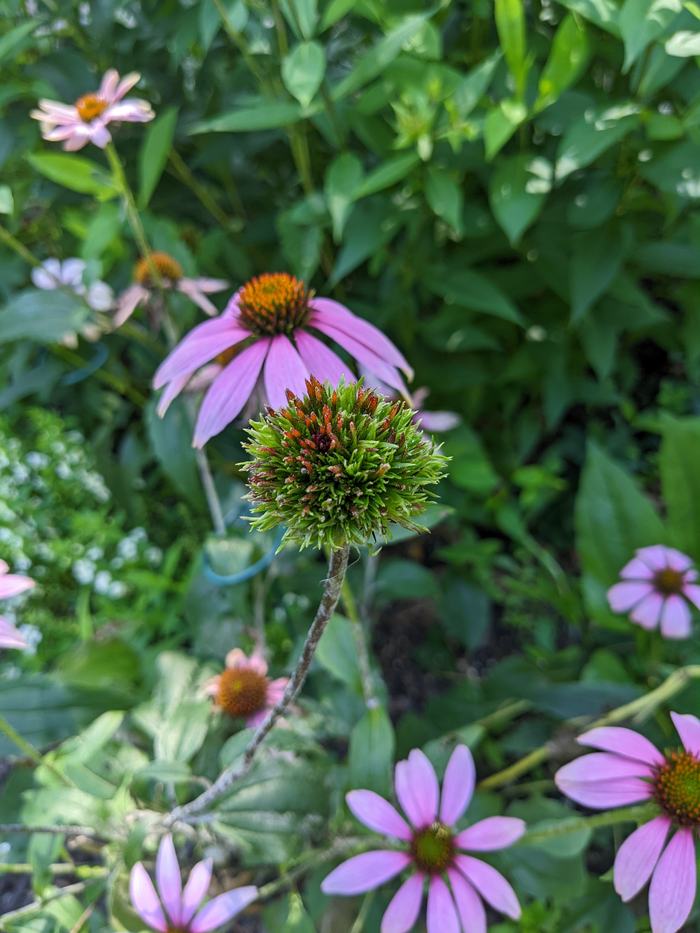
Aster yellows is a virus that causes a witches broom in the flowers of coneflower.
Aster Yellows - Aster yellows is a virus that causes a witches broom in the flower of coneflower, sometimes greening of petals, and usually stunting the plant.
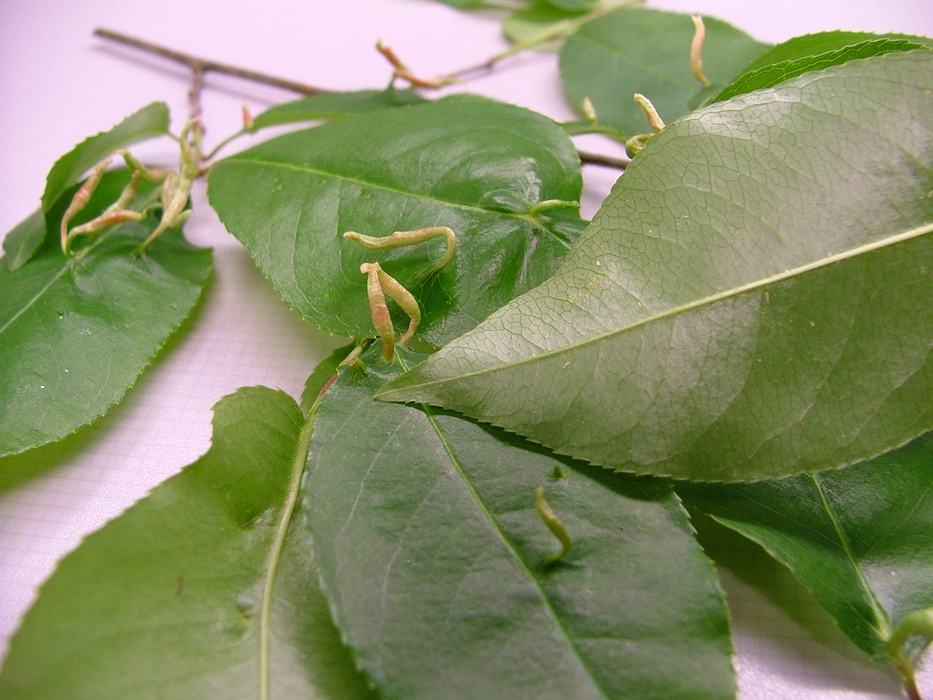
Mite damage
Eriophyid Mite - Mites can cause distortions and bumps on leaves of plants but are usually not harmful.
Organic Disease Control - One of several organic fungicide options is 'Serenade' fungicide which is labeled for organic production and controls bacterial spot, powdery mildew, rust, gray mold, leaf blight, scab and more. For home gardeners, Serenade® Garden Disease Control is a safe, natural, broad spectrum, effective fungicide that controls garden diseases and is approved for organic gardening. This is the same active ingredients that are used by commercial organic growers. It provides broad spectrum control of fungal and bacterial diseases.