Bagworm Caterpillars
Pest Alert - Bagworms
(Updated: Aug. 26, 2025, 6:48 a.m.)
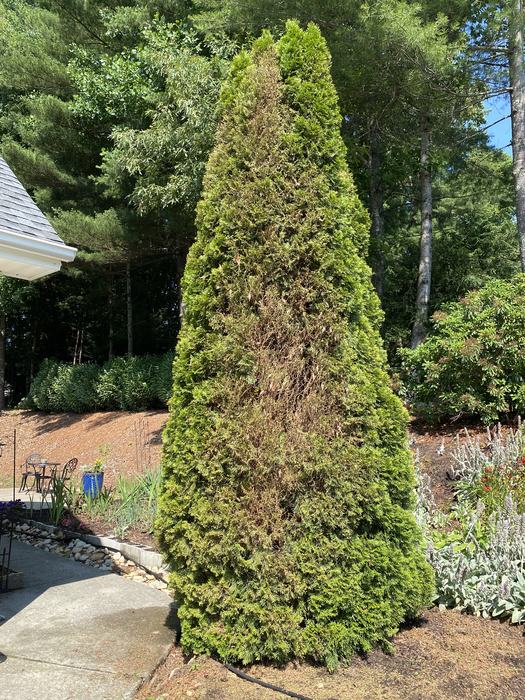
Description and Seasonal Development
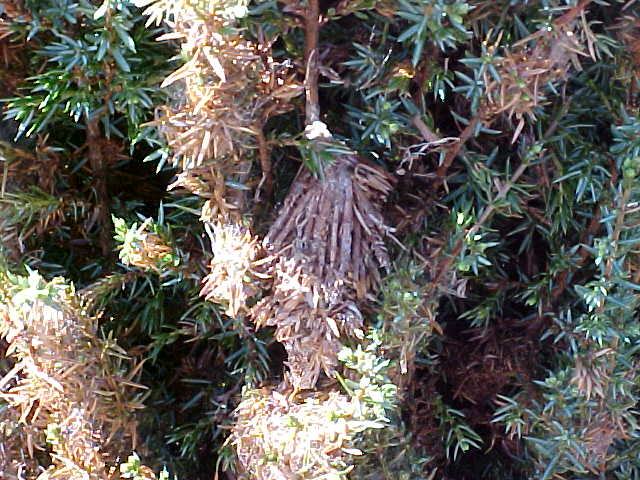
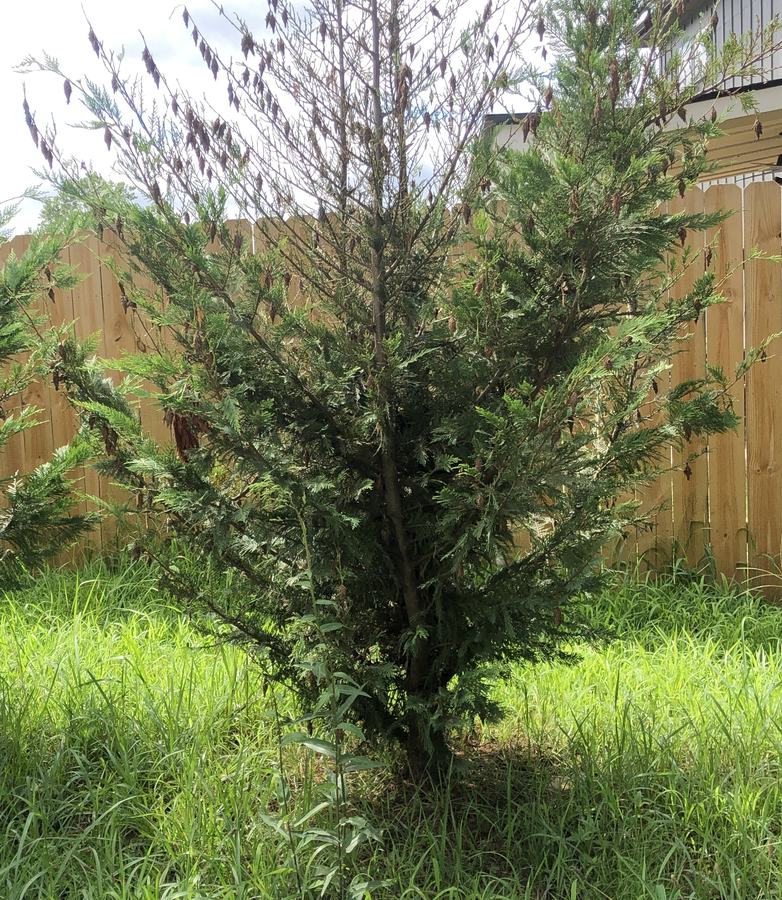
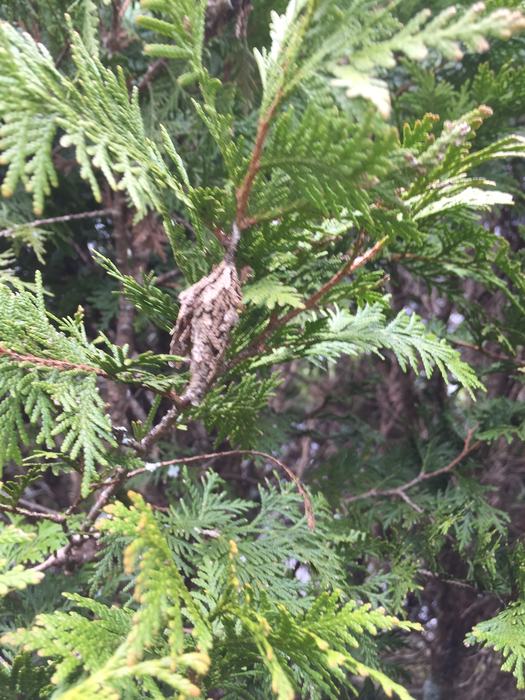
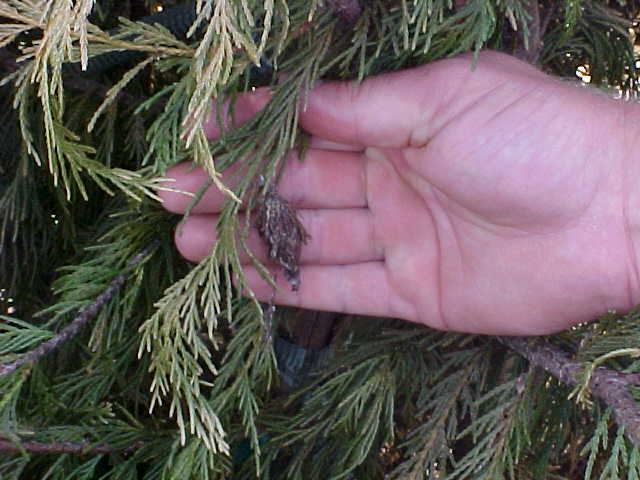
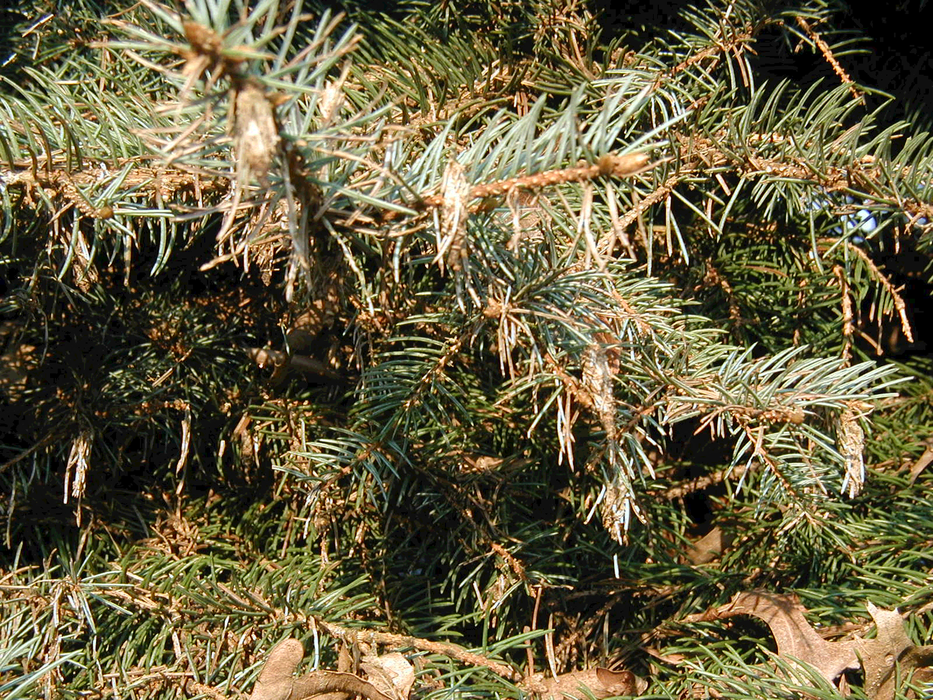
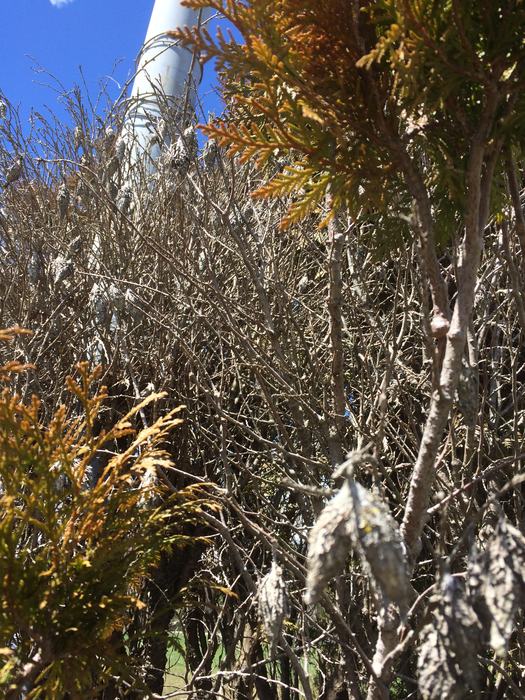
The bagworm is a caterpillar that feeds on all manner of trees and shrubs. The larvae constructs a case out of silk and little bits of detritus in which it lives. The case serves as shelter and as camouflage and infestations may go unnoticed until damage becomes extensive. The insects hang from branches and feed on foliage. Adults are moths.
Host Plants
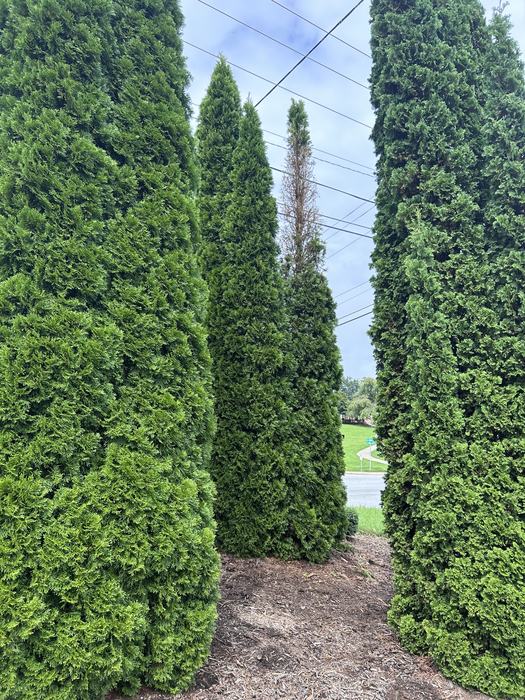
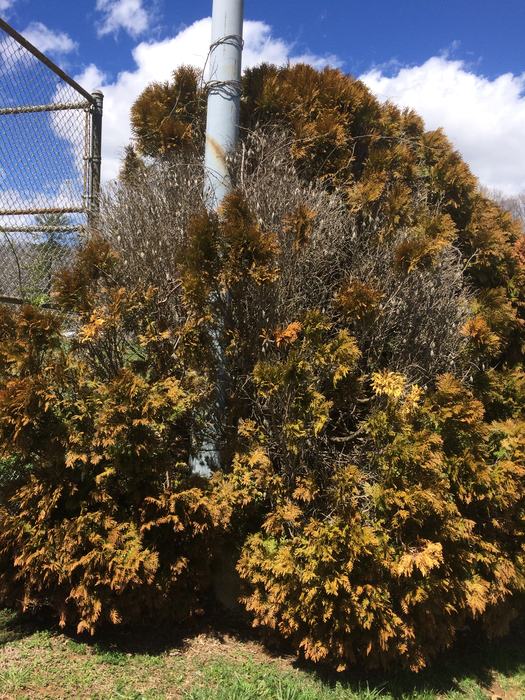
Most trees and shrubs may be infested. Conifers are most commonly infested. Arborvitae and Leyland cypress are very susceptible.
Damage
The bagworm may completely defoliate conifers, killing them. The thread of silk used to secure cases to branches may girdle them and cause the limbs to break. The female caterpillar can detach the bag and carry it to new areas with fresh foliage to eat.
Control
The bags and pupal cases may be removed by hand and destroyed. Insecticides must be applied early in the spring as a preventative or applied at a very high rate later in the season. Chemicals include BT products, spinosad, and bifenthrin.
Join our mailing list!
Enter your email address to receive updates.
Written By