Aphids can often be found on garden and landscape plants. Each spring and summer we get numerous questions about aphid damage.
Pest Alert - Aphids
(Updated: March 24, 2022, 6:36 a.m.)
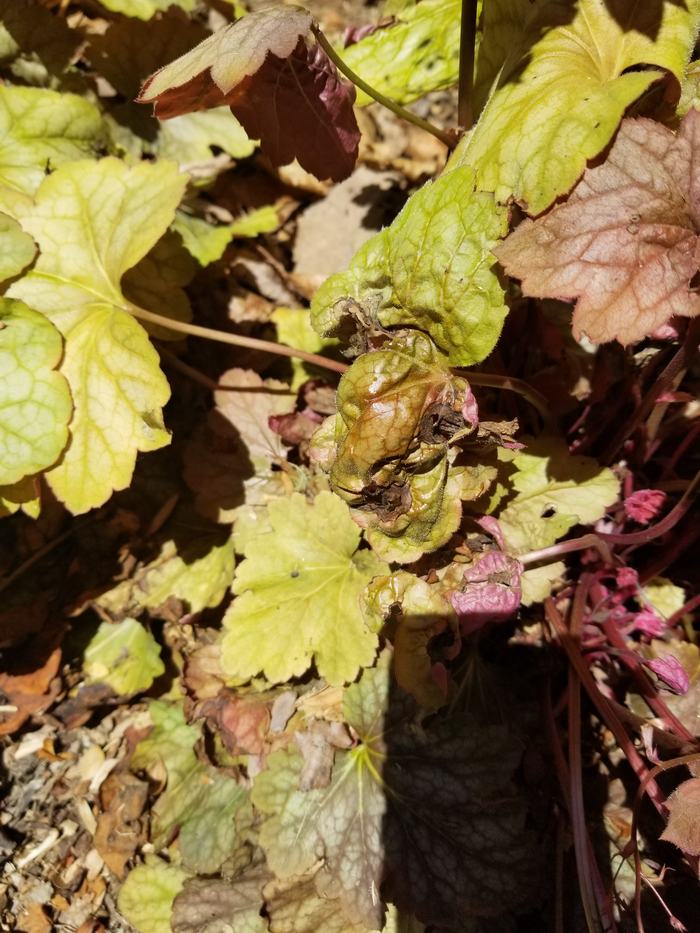
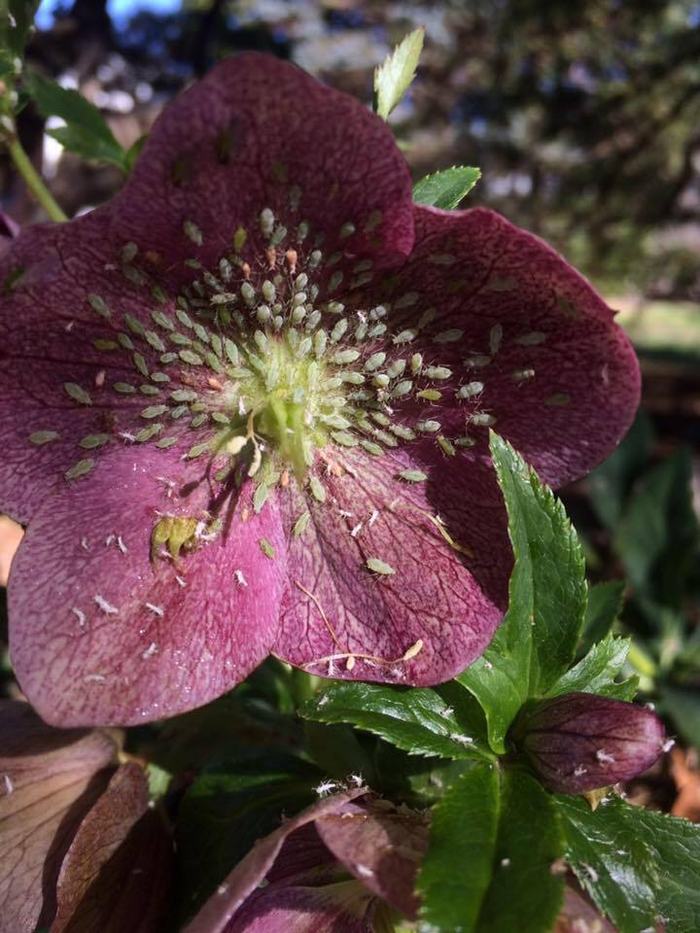
There are many kinds of aphids and they can feed on just about any type of plant. In some areas, aphid droppings from infested pine, oak and poplar trees are covering roads, cars and landscape furniture with sticky residue. Rhododendron, hydrangea and other shrubs are infested as well.
Aphids are tiny sap-sucking insects that feed on the sap of plants. Their feeding, done with a needle-like mouth, can cause leaves of tender plants to curl. This curling causes the plant to distort and can eventually kill plants such as tomatoes.
Aphids feed on sugary sap from the host plant. The insect's droppings are sugary as well. These sticky droppings can accumulate beneath affected plants covering anything underneath the plant. In some cases, the droppings can pile up and one of a number of fungi can grow on the sugary substrate. Fun fact: manna, which is mentioned in the Bible, is actually the accumulated sugary droppings from a relative of aphids.
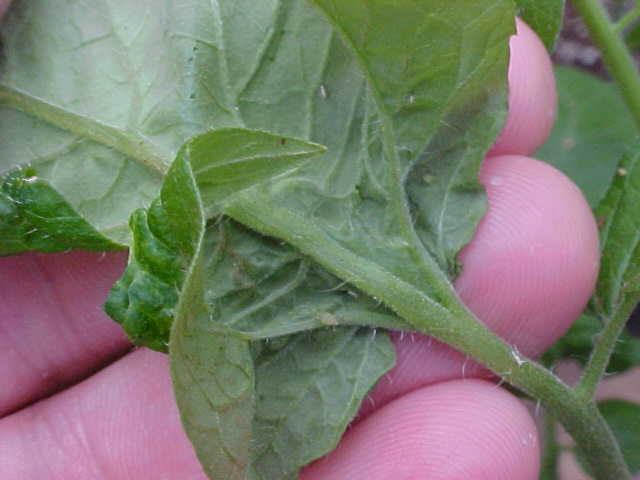
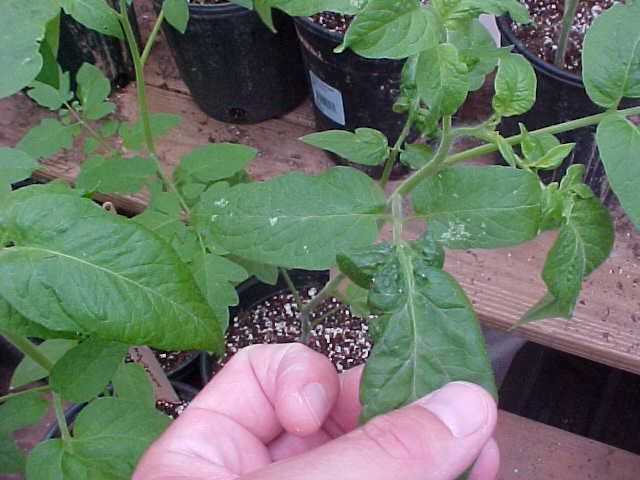
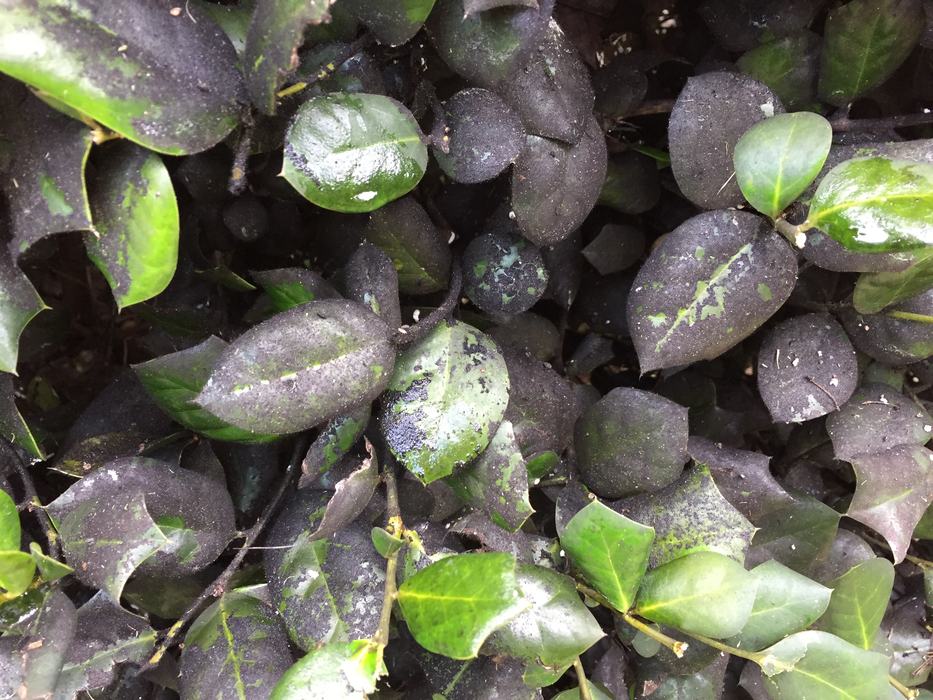
One fungus that grows on aphid droppings is 'sooty mold'. This dark fungus can cover surfaces where aphid droppings have evaporated leaving sticky sugar. Cars, porches, walkways, and patio furniture can become quite soiled.
Aphids can be controlled in many cases with a strong stream of water. Simply hose the tiny soft-bodied insects off of the plants. They cannot return to the plant. Repeat this process every three days until the infestation lessens.
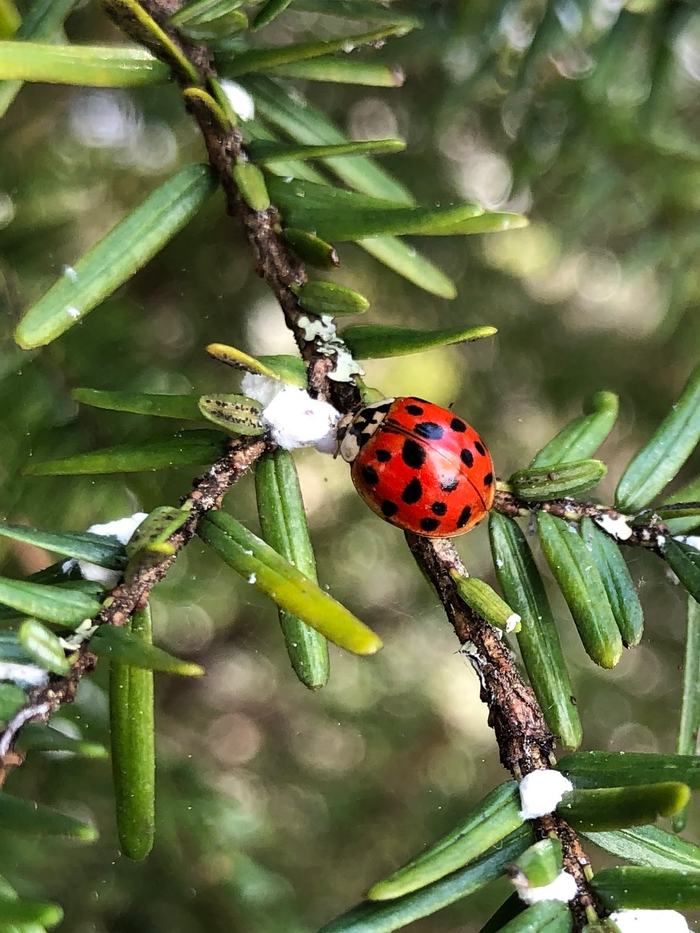
In some cases beneficial insects may take care of the aphids. The larvae of ladybugs, green lacewings and syrphid flies eat aphids. If an aphid infestation is not causing too many problems, allowing beneficial insects a chance to get the infestation under control is an environmentally friendly option.
In some cases, pesticides might be necessary. Neem oil is a bio-rational pesticide option. The chemical is derived from a tree and breaks down very quickly. Pyrethroid insecticides will kill aphids and disappear quickly which benefits beneficial insects such as aphid-eating ladybugs. Systemic insecticides work as well however, these should be avoided on plants that are in flower. We do not want a systemic insecticide to come out in the nectar and harm bees, butterflies, or other nectar feeders.
Join our mailing list!
Enter your email address to receive updates.
Written By