I have done a lot of pruning in my career. As a former ISA Certified Arborist, a horticulturist, a greenhouse manager, and avid gardener, I have literally pruned thousands of trees in my lifetime. I have pruned entire peach orchards, whole suburban landscapes, and fields full of ornamental nursery trees and yet, I still have to stop and think before I begin a pruning job, “Is this the right time to prune this tree?”
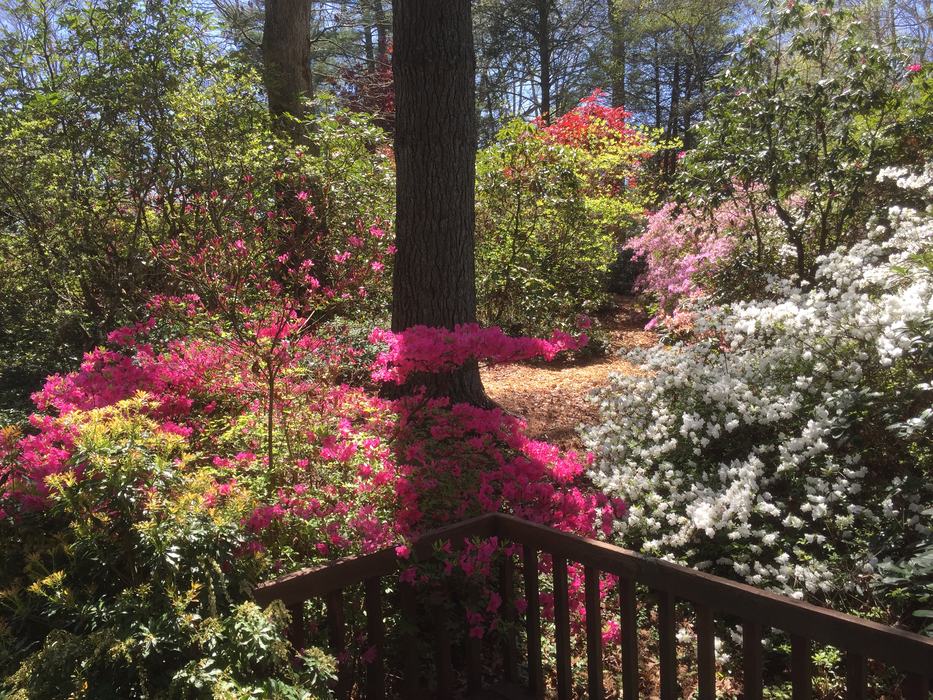
Deciding on what time of year to prune trees and shrubs is one of the most confusing decisions a gardener has to make. In my experience, when to prune is the question most asked by gardeners. Correctly timing the pruning of plants such as azaleas, Japanese maples, oaks, crape myrtles, gardenias, magnolias, camellias, and other garden favorites can be critical to the plant’s health so getting it right is important. The following list might help you decide when to prune your garden plants:- Prune spring flowering plants that bloom on last years’ wood such as azaleas, dogwoods, forsythia, viburnum, camellia, daphne, fothergilla, tea olives and roses in the summer after they have flowered. Prune before they flower and you will remove the flower buds for the year.
- Prune shade trees such as oaks, red maples, river birch, etc. in the winter when they are dormant or in the summer after they have fully leafed-out.
- Prune conifers such as junipers, pines and Leyland cypress in the coldest part of the winter to avoid diseases and insects such as pine bark beetles. Be sure to avoid summer pruning of your conifers if at all possible.
- Prune spring flowering trees that bloom on new wood such as fruit-bearing trees like pears and apples and flowering ornamental trees like cherries, crape myrtles and crabapples in the winter to avoid attracting diseases and insects such as the ambrosia beetle in the spring.
- Prune evergreen trees and shrubs such as magnolias, hollies, boxwood, euonymus, cherry laurel, cleyera, wax myrtle and yew in the winter. Minor clipping of these shrubs can be done throughout the year.