Wintersweet, Breath-of-Spring (Winter Honeysuckle), Lenten-Rose (Helleborus), Trailing Arbutus, Crocus, Violets, and Japanese Flowering Apricot
What to Fertilize
Shade trees can be fertilized. Fertilize emerging spring-flowering bulbs. Spread wood ashes around the vegetable garden, flowering bulb beds, and non-acid loving plants if the pH is below 6.0.
What to Plant- First week in February start broccoli, cabbage, and cauliflower plants inside your home.
- Plant English peas, onions, Irish potatoes, radishes, rutabagas, spinach, kale, turnips, and carrots the last week of February.
- Plant asparagus crowns when soil is dry enough to work.
- Plant fruit trees and small fruit shrubs.
What to Prune
- Prune bunch grapevines and fruit trees.
- Prune summer flowering shrubs such as butterfly bush, crape myrtle, peegee hydrangea, and rose of sharon.
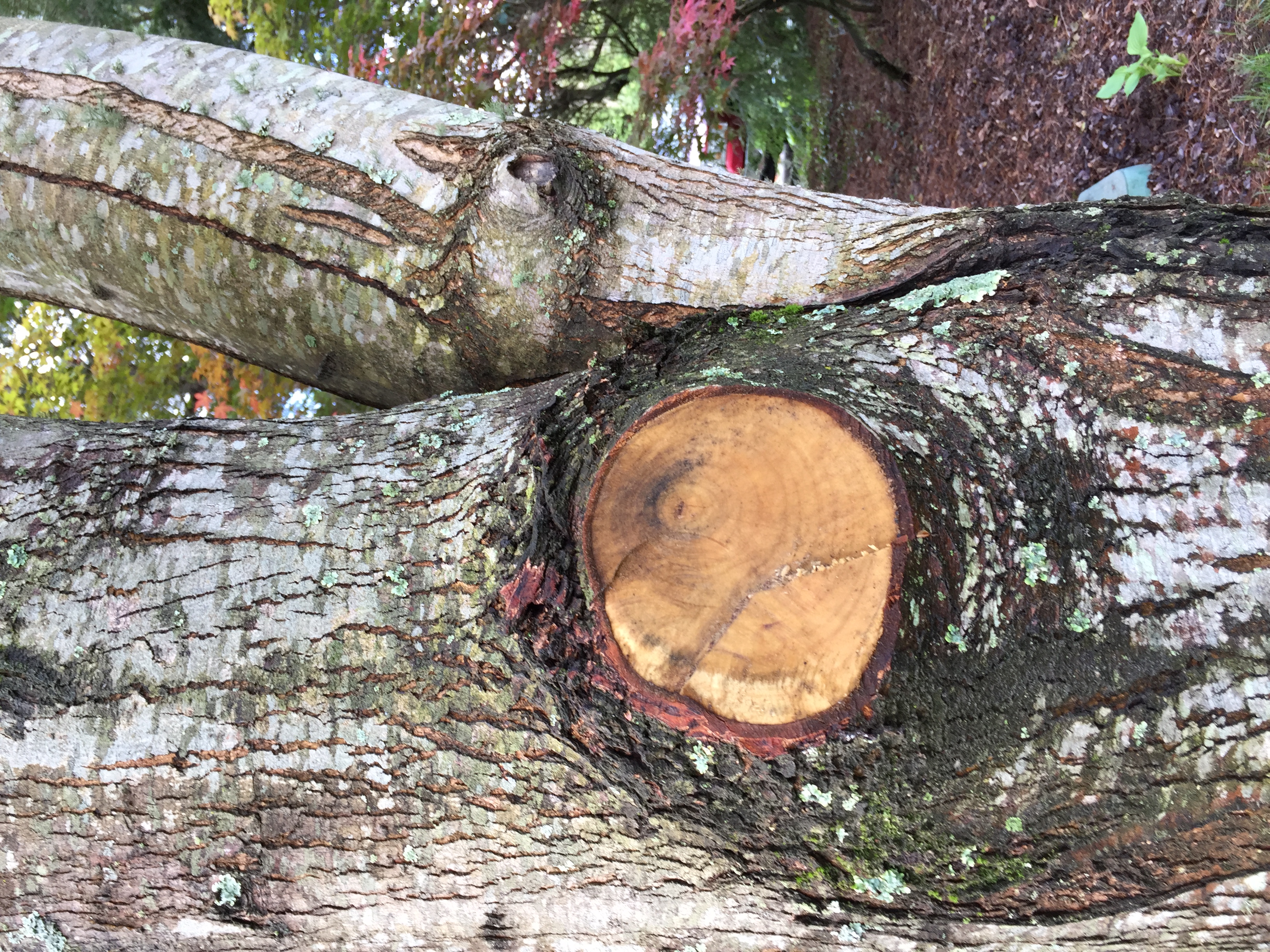
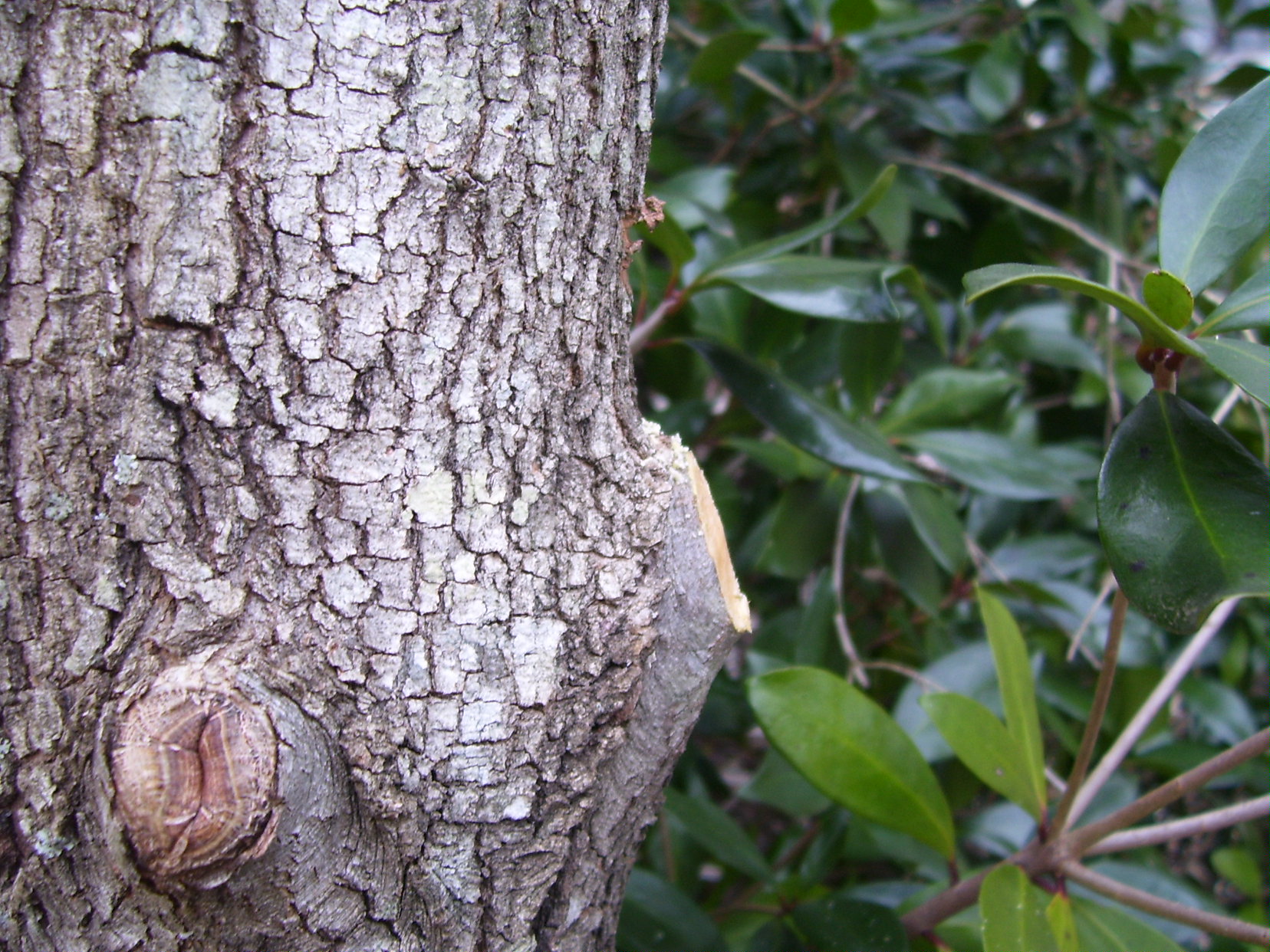
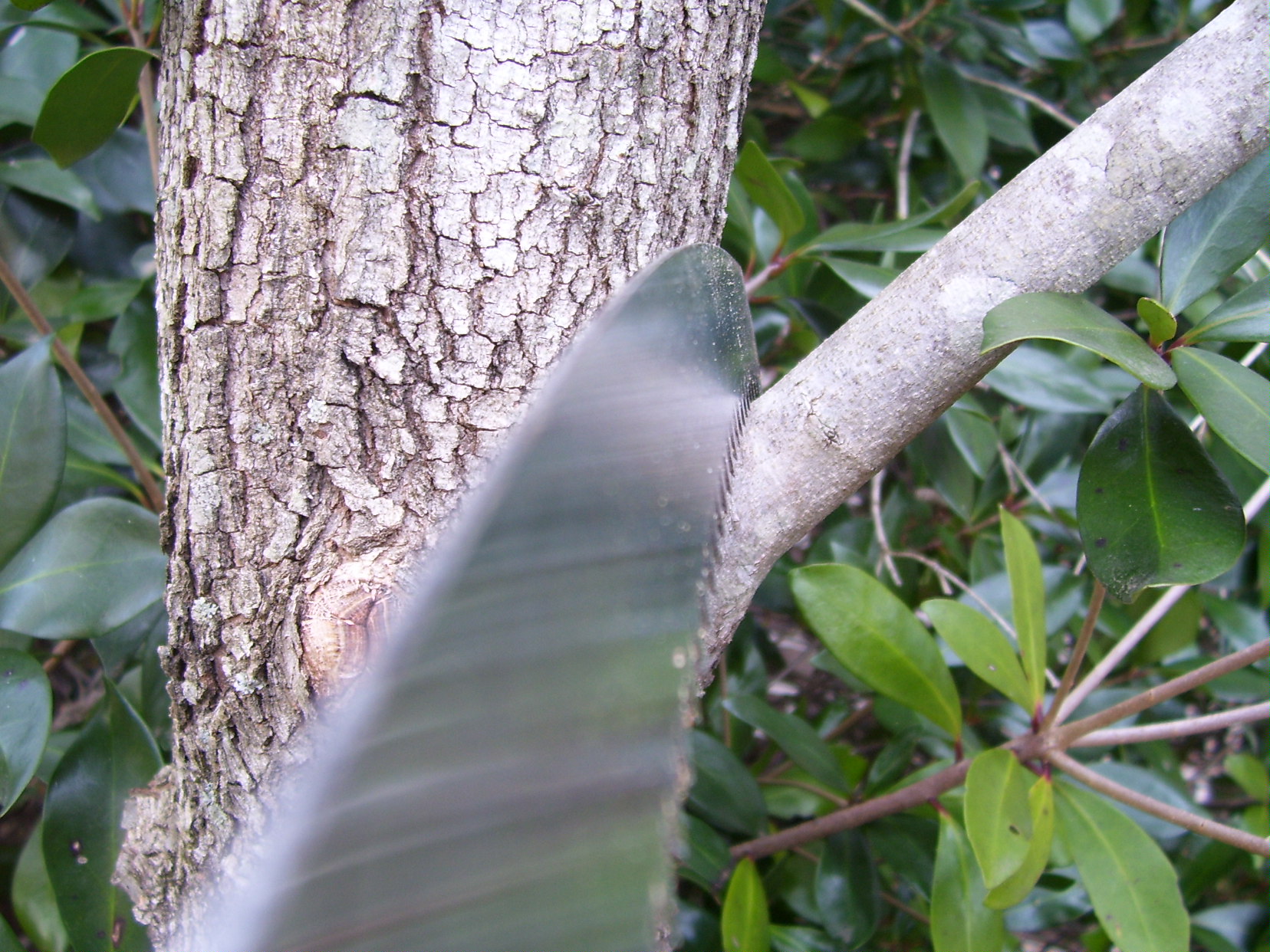
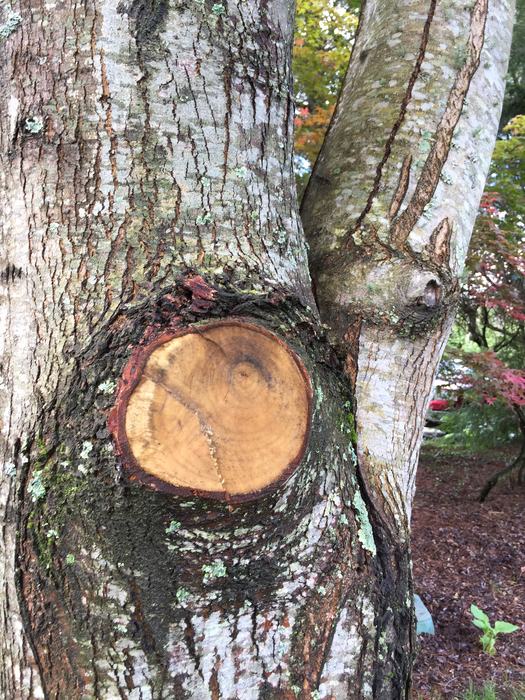
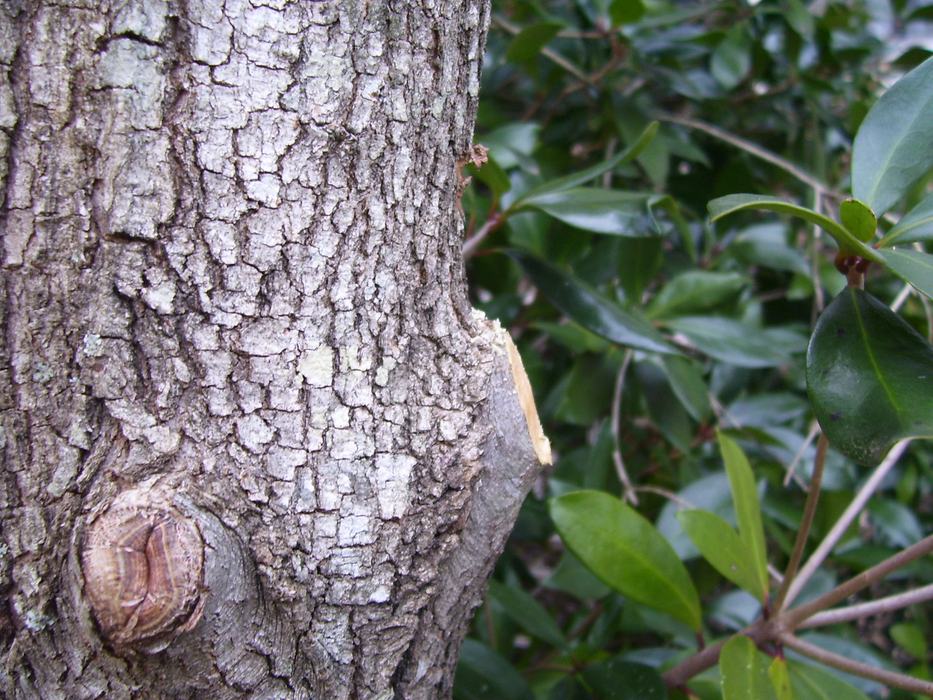
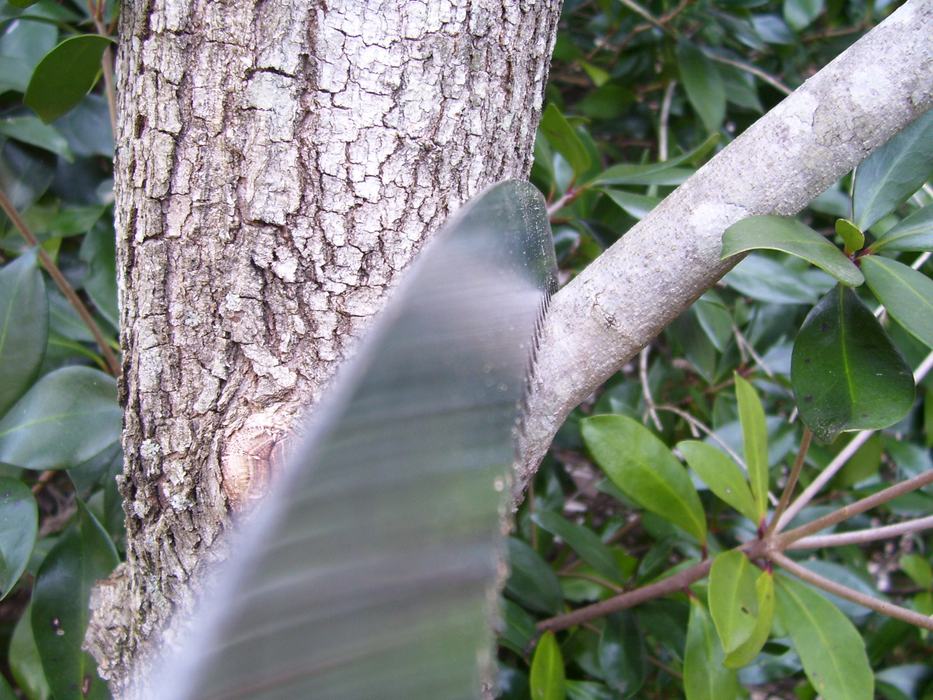
- Prune ornamental trees. Do not leave a stub but also do not flush-cut. Leave the branch collar (shoulder around limb) as pictured above.
- Trim ornamental grasses like liriope, mondo grass, and pampas grass.
- Overgrown shrubs can be severely pruned.
Pest Outlook
- Peach and nectarine trees need to be sprayed with a fungicide to prevent leaf curl.
- Spray all fruit trees with dormant oil to help eliminate some insects.
Lawn Care
- Cool-season lawns like tall fescue should be fertilized. Follow soil test results.
- Control wild onion in your lawn with spot sprays of a recommended herbicide (or you can hand-pull the entire bulb and eat them!)
Propagation
- Divide perennials like daylily and shasta daisy when the ground is dry enough.
- Hardwood cuttings of many landscape plants like Crape Myrtle, Flowering Quince, forsythia, hydrangea, juniper, spirea, and weigela can be taken this month.
Specific Chores
- Clean out bluebird boxes.
- Order flowers for your sweetheart – Happy Valentine’s Day!
- Develop a vegetable and landscape plan for your home grounds.
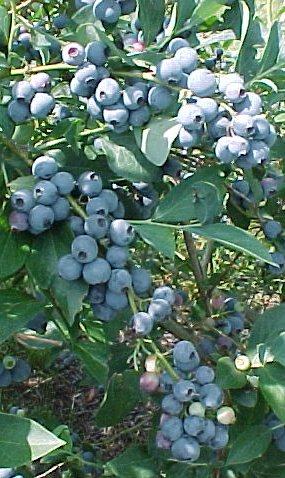
- Order strawberry & blueberry plants.