Agriculture consistently ranks among the most hazardous occupations in the United
States. Farmworkers—a vital yet frequently overlooked population—face
disproportionately high risks of injury, illness, and fatal accidents due to exposure to
pesticides, extreme weather, heavy machinery, and strenuous physical labor. Many face
additional hurdles, including language barriers, limited healthcare access, and fear of
reprisal, compounding their vulnerability.
To directly address these challenges, the Farmworker Health and Safety Program
works to empower workers and their families with the critical knowledge and skills
needed to prevent work-related injuries and illnesses.
Here is an update on our latest initiatives, progress, and upcoming events across
Henderson County.
On-Farm Training: Safety Where It Matters Most
Our primary approach delivers training directly to farmworkers at their worksites during
their regular work schedules. Providing education in a familiar environment allows for
immediate practical application.
To ensure maximum engagement and comprehension:
- Cultural & Linguistic Relevance: All materials—including handouts, posters,
and videos—are created in Spanish using culturally relevant imagery and
examples.
- Interactive Dialogue: Sessions use a conversational style, offering ample time
for questions and open discussion.
- Core Topics: Training focuses heavily on Pesticide Safety (proper handling,
PPE use, restricted-entry intervals, and emergency procedures to prevent acute
poisoning and family exposure) and Heat Stress (recognizing signs
of heat exhaustion and heatstroke while navigating risks related to shade, rest,
and water access). We also address risks from machinery, falls, repetitive strain,
and respiratory hazards.
Progress Target: To date, we have conducted 8 trainings reaching 245 farmworkers.
Our goal for the year is to complete 12 to 15 on-farm sessions.
Celebrating Our Essential Workers: The Farmworker Fair
On July 25th, we hosted our 6th Farmworker Fair at a local farm, welcoming over 125
farmworkers and their families. Beyond serving as an educational resource, the fair
honors the essential workers who bring food to our tables.
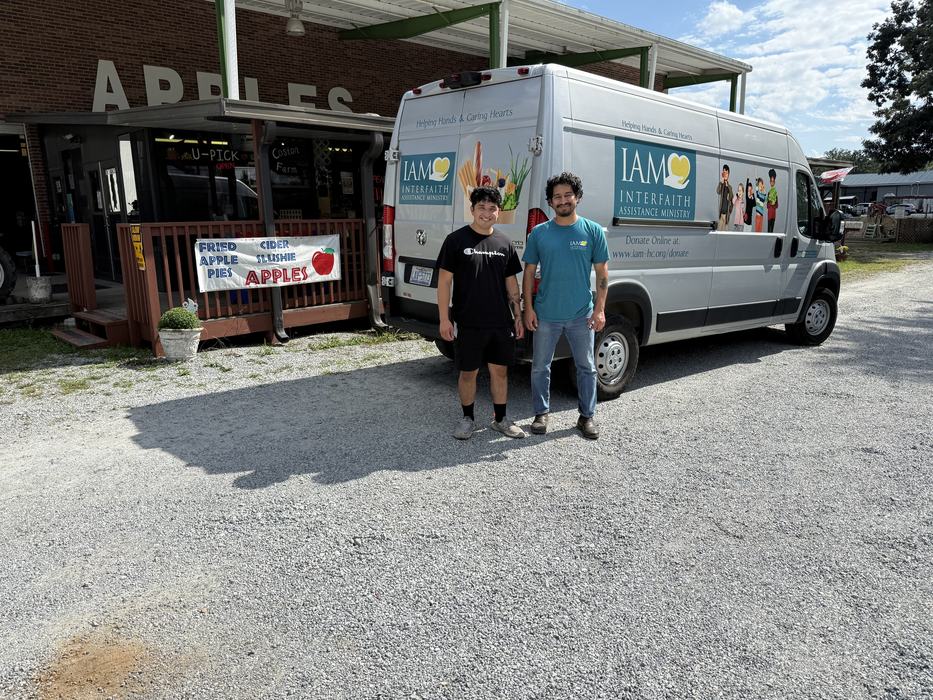
The event is a vibrant collaboration with regional service providers, including Pardee
UNC Health, Blue Ridge Health, IAM, True Ridge, The Free Clinics, Henderson County
Public Health, UNETE, Pisgah Legal, and Migrant Ed, and others. This year's fair even
featured a mobile barber shop offering free haircuts to attendees (including the author of
this article!).
- Save the Date: Our next Farmworker Fair is scheduled for October 24th.