I have been in the landscape business in some shape form or fashion since 1989. In that time I have seen many new landscape plants enter the nursery/landscape trade and become very popular. Many of those plants are no longer fashionable because plant diseases eventually came along and started killing the plants.
When a plant becomes popular with the public, plant nurseries will produce plants to suit the high demand. Landscapers plant more to satisfy clients. Eventually, after producing millions of genetically identical clonal plants, planting them in long rows too close together and planting them in nearly every yard, a disease invariably comes along to wipe them out.
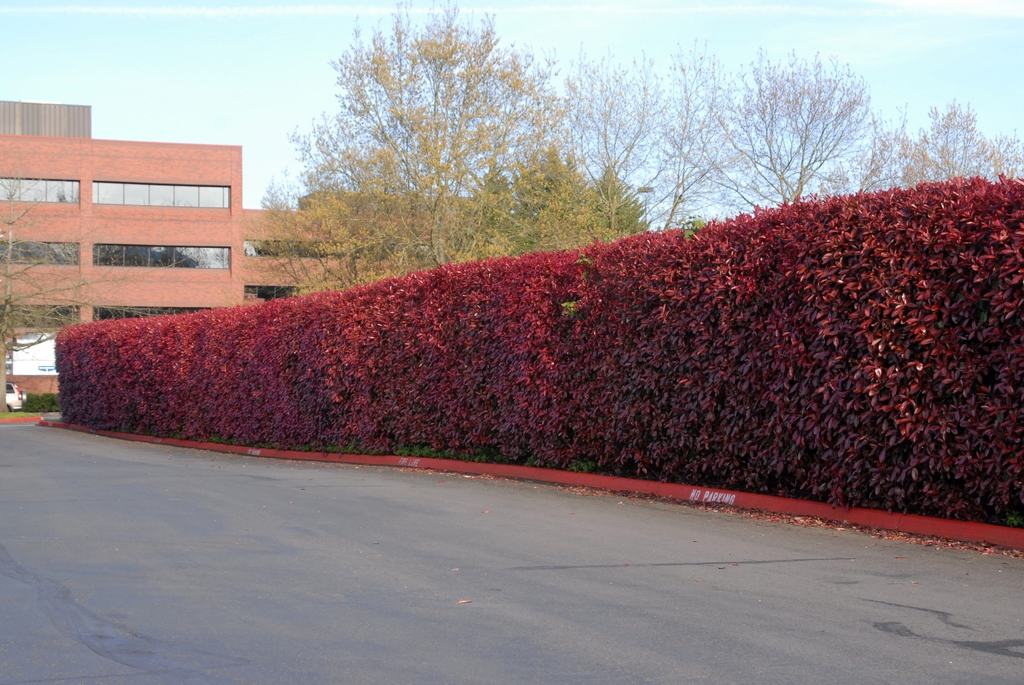
Plants Come and Go One example of this is the Red-Tip Photinia Photinai x fraseri . This plant became extremely popular in the southeast as a hedging plant. The plant was overused and planted too close together so that it had to be sheared frequently. Eventually, a disease came along and wiped the plant out.
The same appears to be happening to the Leyland cypress, 'Nelly R. Stevens' holly and cherry laurels. It seems no matter the plant, if we plant millions and millions genetically exact clonal plants in hedges, eventually a disease begins to damage or even kill them. There has to be a better way.
Stop Using Monoculture Plantings The tendency for any industry is to find something that works, multiply it a million times and sell it. This builds efficiency into production cycles and makes money. The same is true in the nursery business. Whenever some horticulturist introduces and amazing plant into the nursery industry, people ask for landscapers to plant it for them, nurseries plant it and the plant becomes what nursery people call call 'bread and butter plants'. Meaning, the plant is responsible for a significant portion of their profits.
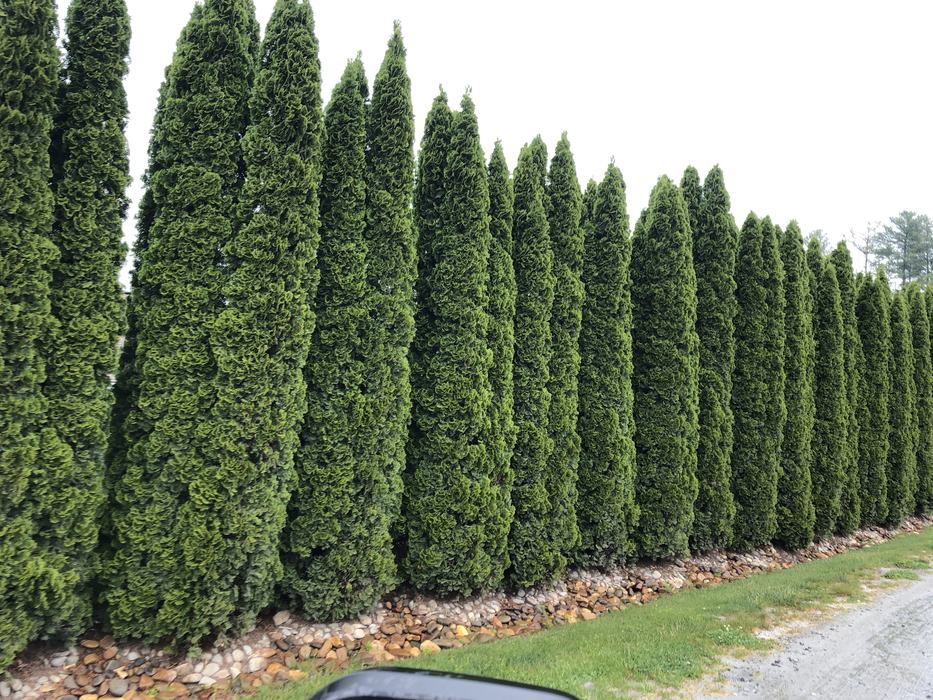
Monocultures are plantings of the exact same plant over and over. Monoculture hedges have been popularly used as hedges for generations. The problem is that in the southeast in our heat and humidity and with all the diseases and insects we have, monocultures tend to not last.
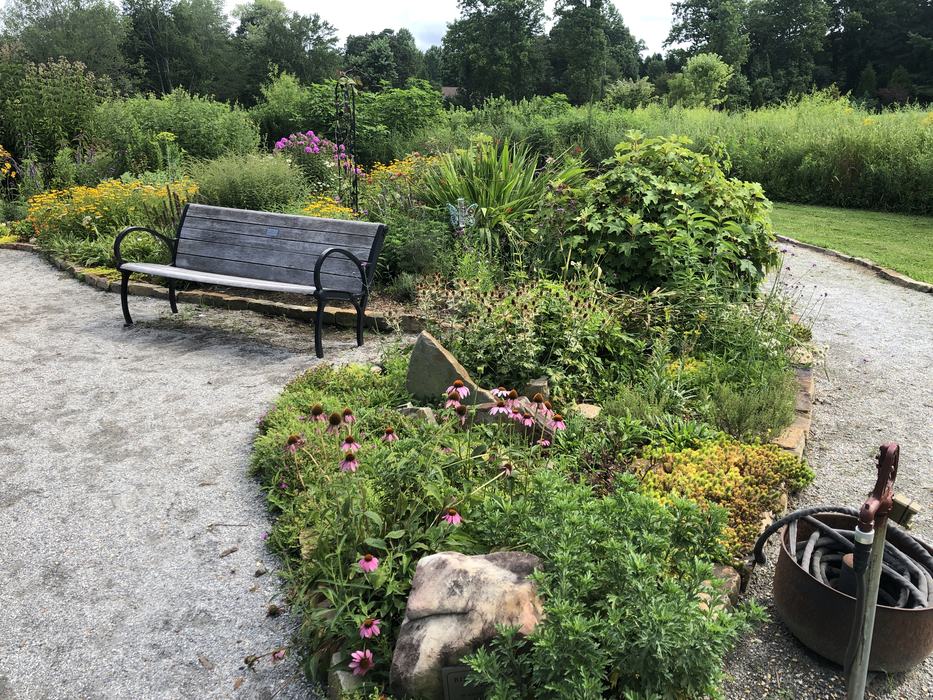
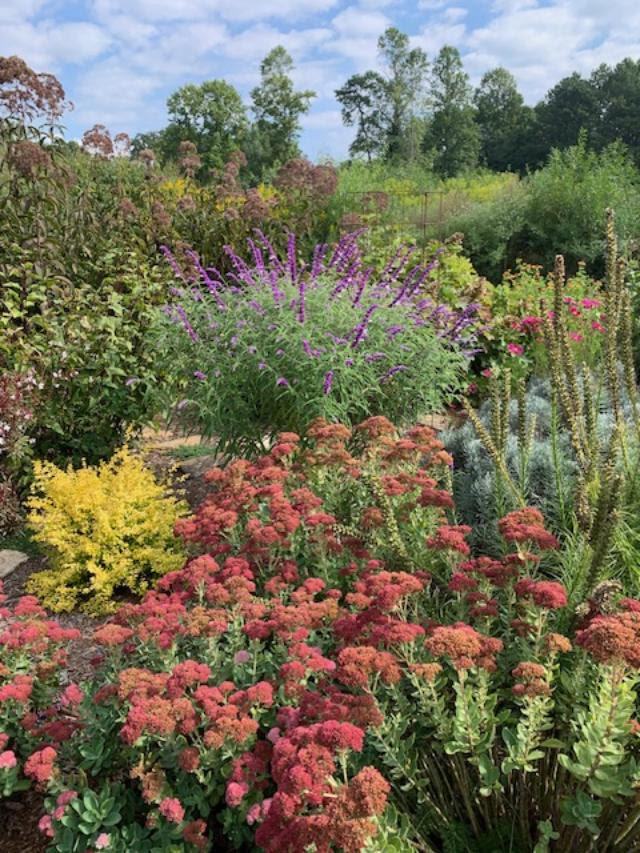
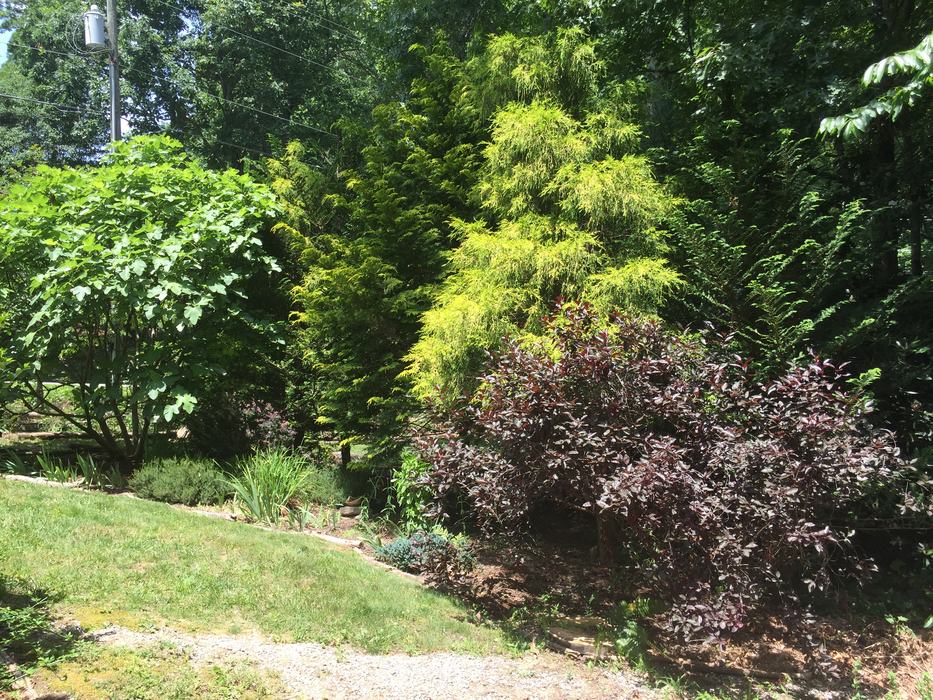
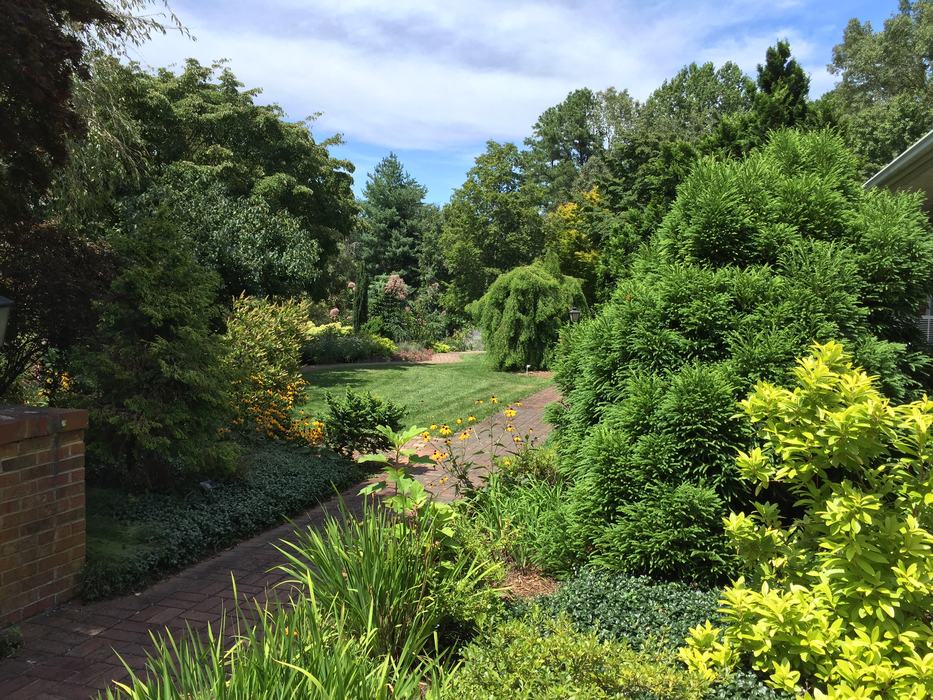
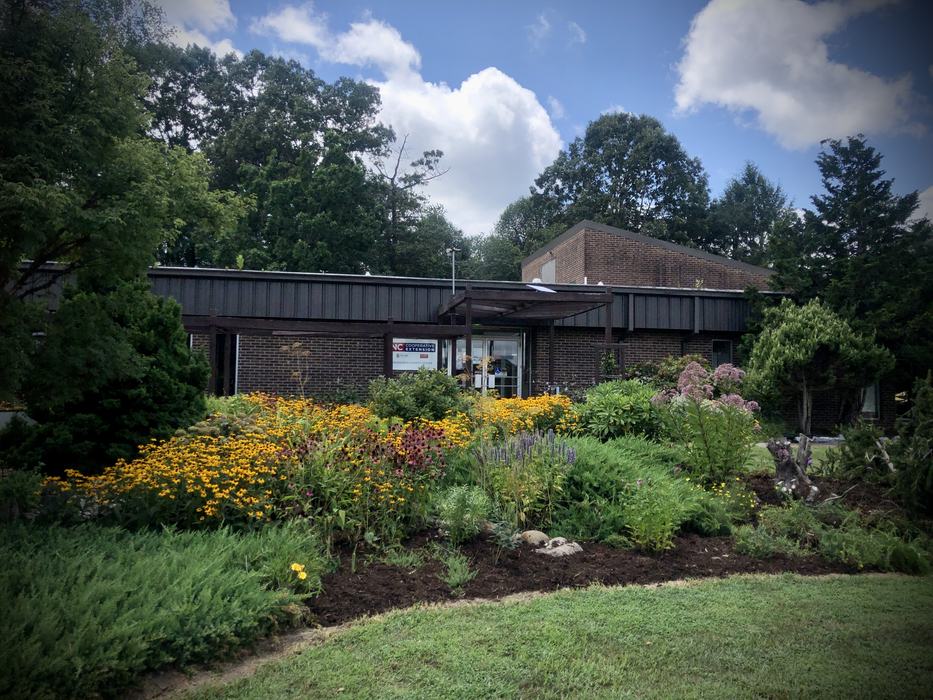
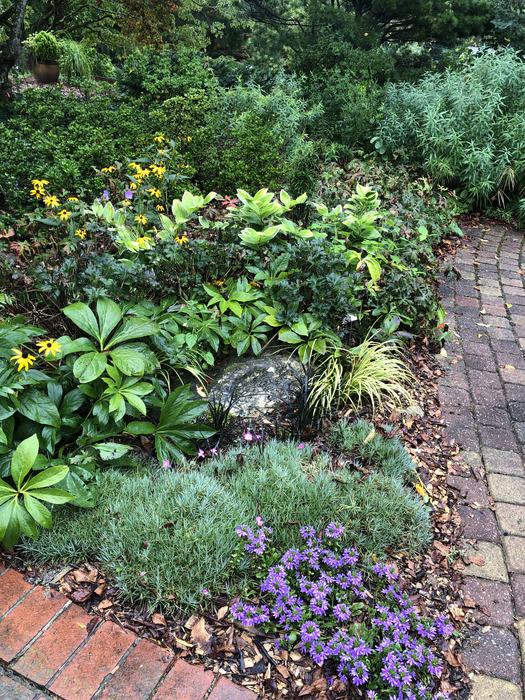
Forward thinking landscape architects have known that mixed plantings are better for the environment, look great and are more resilient. Fredrick Law Olmsted designed Central Park in New York and the Biltmore House gardens in the 1800's utilized mixed species plantings referred to as 'thickets' and 'pocket forests'. Today Central Park or Biltmore would not be the same without these mixed plantings.
(Mostly) Native Plant List for Henderson County
Small trees up to 25′ – (deciduous)
Native - service berry, hornbeam, redbud, dogwood, fringe tree, Carolina silverbell, hornbeam
Non-native - Japanese Maple, Paperbark maple, trident maple, Kousa dogwood, smoke tree, Japanese Stewartia
(evergreen)
Native - red cedar, western or eastern arborvitae, American holly, Savannah holly, small southern magnolia cultivars
Non-native - Emily Bruner holly, Nellie R. Steven holly, Prague viburnum, Foster’s holly
Large Trees over 25′ – (deciduous)
Native - red maple, sugar maple, river birch, yellowwood, beech, birch, cucumber tree, oaks
Non-native - dawn redwood, lacebark elm, zelkova
(evergreen)
Native - spruce, hemlock, fir, pines, Atlantic white cedar, arborvitae, red cedar, southern magnolia
Non-native - cryptomeria, oriental arborvitae, cypresses, and pines
Shrubs under 4′
(deciduous)
Native - St. John’s wort, lowbush blueberry, cranberry, maple leaf viburnum, hydrangea, American beautyberry
Non-native - cotoneaster
(evergreen)
Native - dog hobble, American boxwood, dwarf native conifers
Non-native - Japanese holly, deutzia, plum yew, sarcacocca quince
Mid-sized Shrubs over 4′ under 10′
(deciduous)
Native - sweetshrub, red-twig dogwood, hearts-a-bustin’, fothergilla, hypericum, winterberry, Virginia sweetspire, spicebush, native azaleas, elderberry, highbush blueberry, deciduous viburnum, leatherleaf viburnum, spirea
Non-native - abelia, forsythia
(evergreen)
Native - mountain laurel, rhododendron, inkberry
Non-native - tea olive, camelia
Large shrubs over 10′
(deciduous)
Native - smooth sumac, arrowwood viburnum, bottlebrush buckeye, witch hazel. oakleaf hydrangea, ninebark
Non-native -
(evergreen)
Native - rhododendron, mountain laurel
Non-native - Nellie R. Stevens holly, Emily Brunner holly, Dwarf Burford holly
Vines
(deciduous) crossvine, trumpet creeper, climbing hydrangea, coral honeysuckle, Virginia creeper, fox grape
Grasses
bluestem, broomsedge, river oats, switch grass, pink muhly grass, lovegrass (more grasses)
Groundcovers
(deciduous)
Native - pussy’s toes, wild ginger, partridge berry, pachysandra, phlox, golden aster, Christmas fern, Oconee bells, yellow root, green and gold
(evergreen)
Native - shore juniper, blue rug juniper,
Wildflowers
annual wildflower mix for the south from Eden Brothers or American Meadows websites
Perennials
black-eyed Susan, coneflower, milkweed, asters, false indigo, coreopsis, Joe Pye weed, Carolina geranium, swamp sunflower, bee balm, Carolina phlox, Cardinal flower, mountain mint