'Topping' refers to the wholesale removal of most of the branches of a tree. Often this is done to make a tree less prone to blowing over in a wind storm or to prevent large limbs from falling on structures. However, the pruning does far more harm than good and is not recommended by tree experts. Often topping leads to tree rot, health decline and eventual death.
Plant Health Alert - Avoid Topping Trees
(Updated: July 14, 2025, 11:30 a.m.)
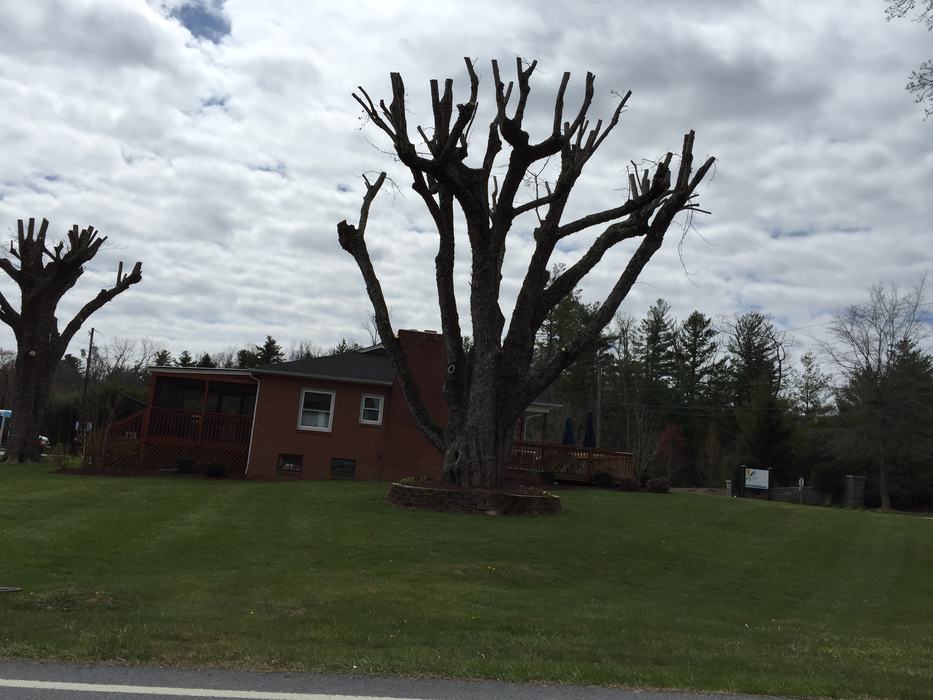
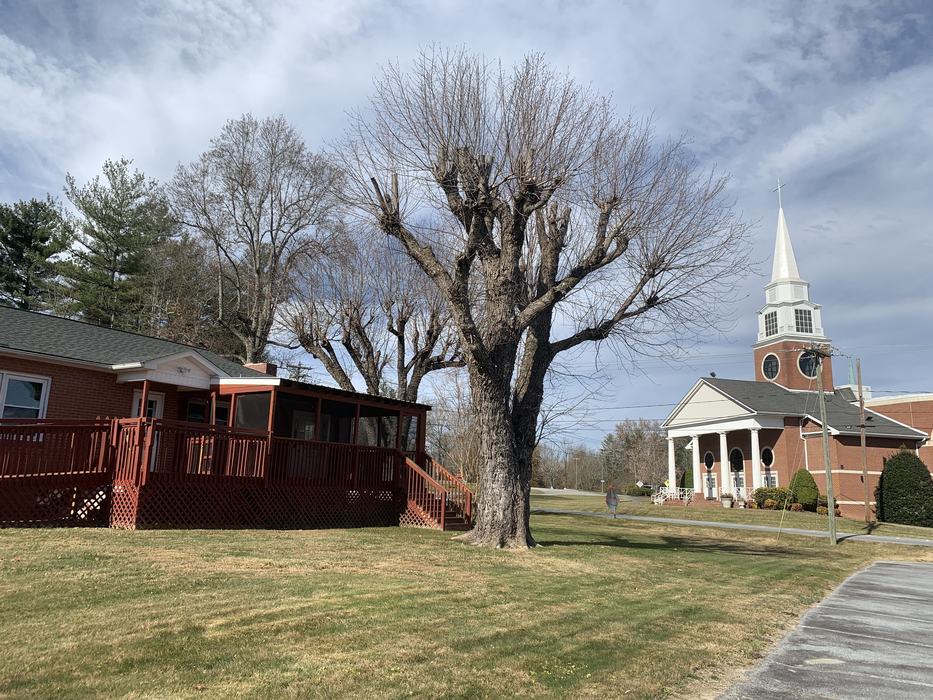
This removal of the photosynthetic part of the plant (food making leaves) stresses the tree. Replacing limbs is costly to a tree. New limbs will grow rapidly, often getting too long too fast and will eventually start breaking. This means tree owners will need to have the suckers pruned every few years costing money.
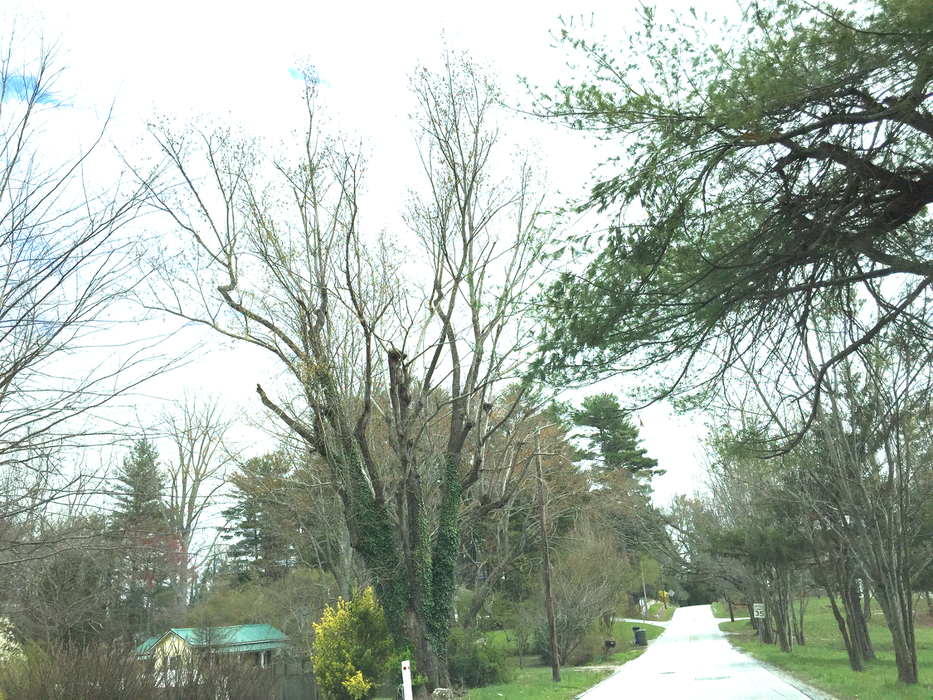
Cutting into older large diameter branches creates wounds that likely will never seal over. This exposes the inner wood of the tree to rotting fungi and wood feeding insects. The cut areas begin to rot and eventually cannot support the weight of the new limbs.
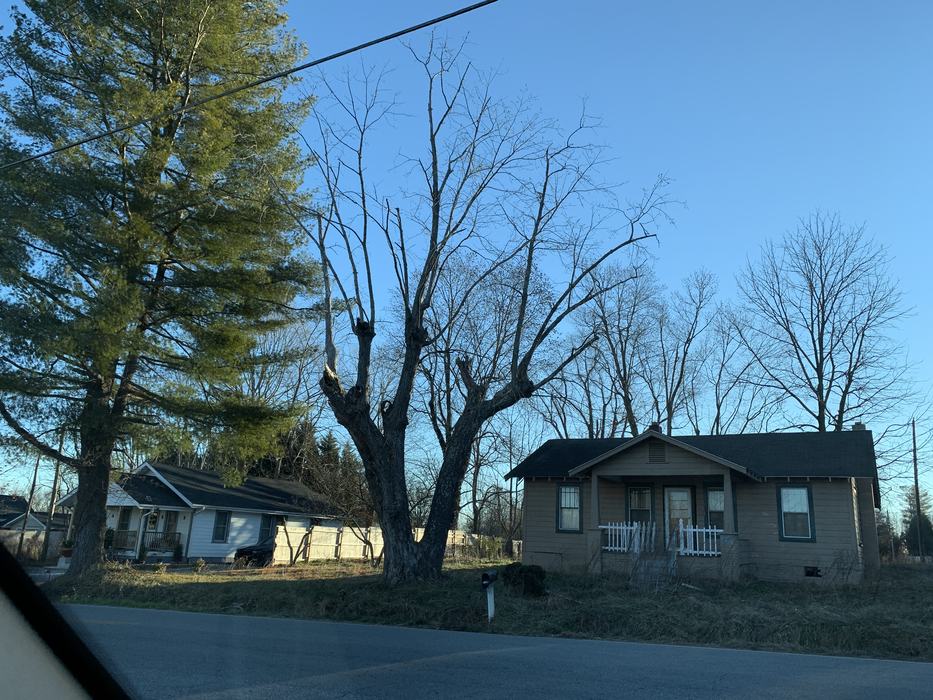
Canopy reduction can be achieved with responsible pruning. Up to 25% of a tree's canopy can be removed. This can be done without cutting into the older bigger branches.
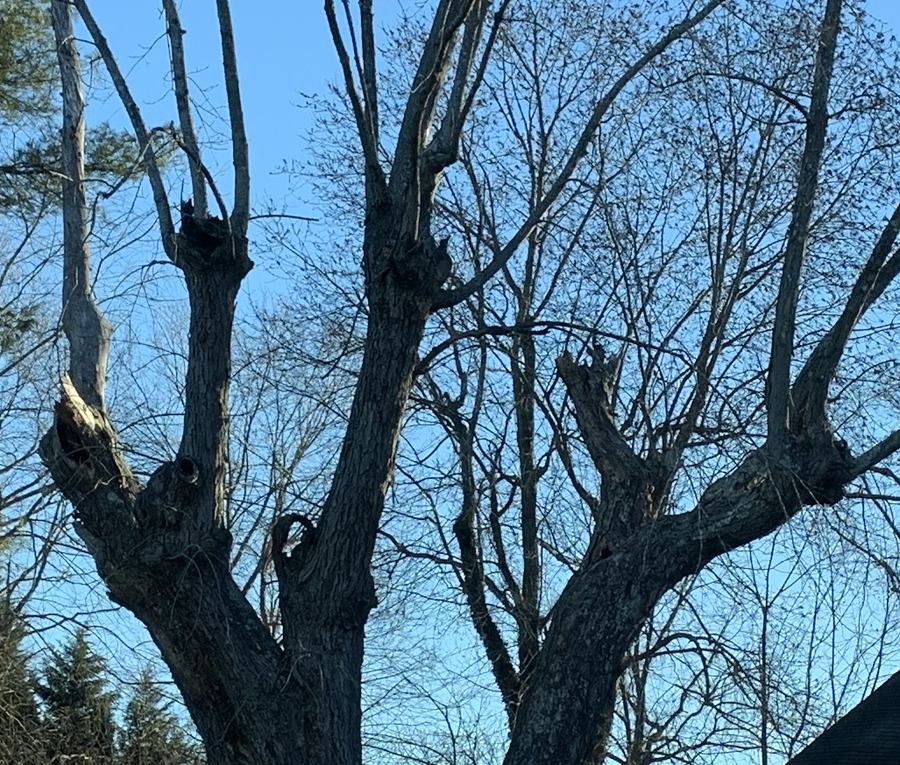
Avoid topping trees at all costs. Every organization that is interested in trees (the International Society of Arboriculture, the American Horticultural Society, etc.) recommends avoiding topping. If a tree endangers your property, go ahead and remove it and invest in a new tree for the future.
Join our mailing list!
Enter your email address to receive updates.
Written By

More About