Plants in Flower
- Witch Hazel, Daphne odora, January Jasmine and Hellebores.
- Indoors: Amaryllis, Cyclamen, Poinsettia
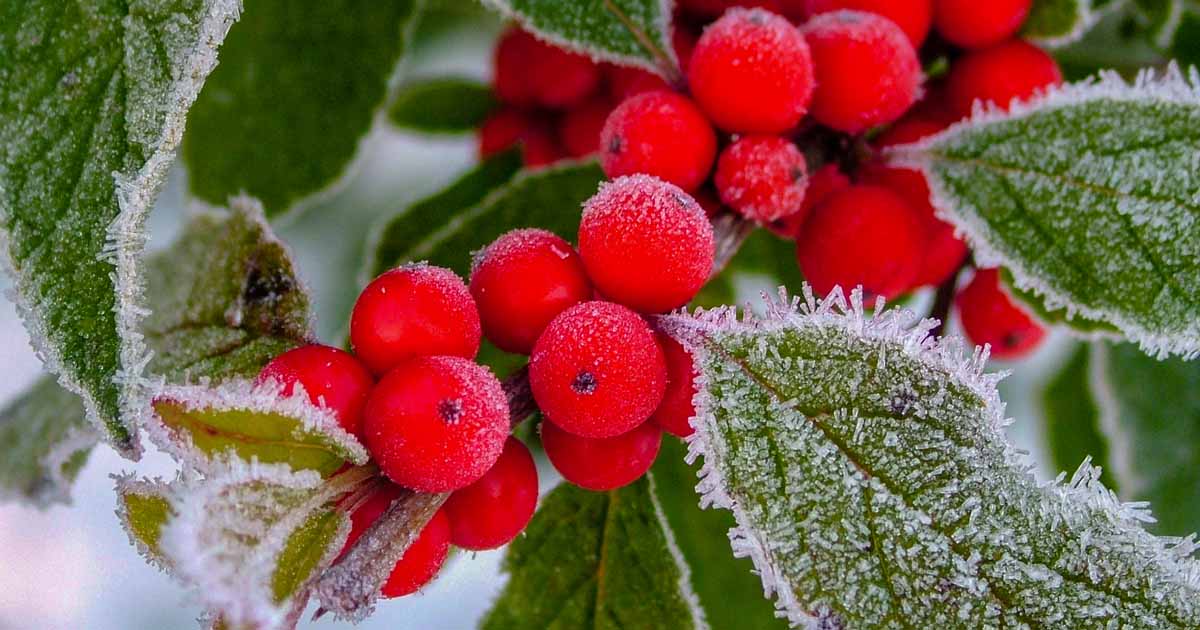
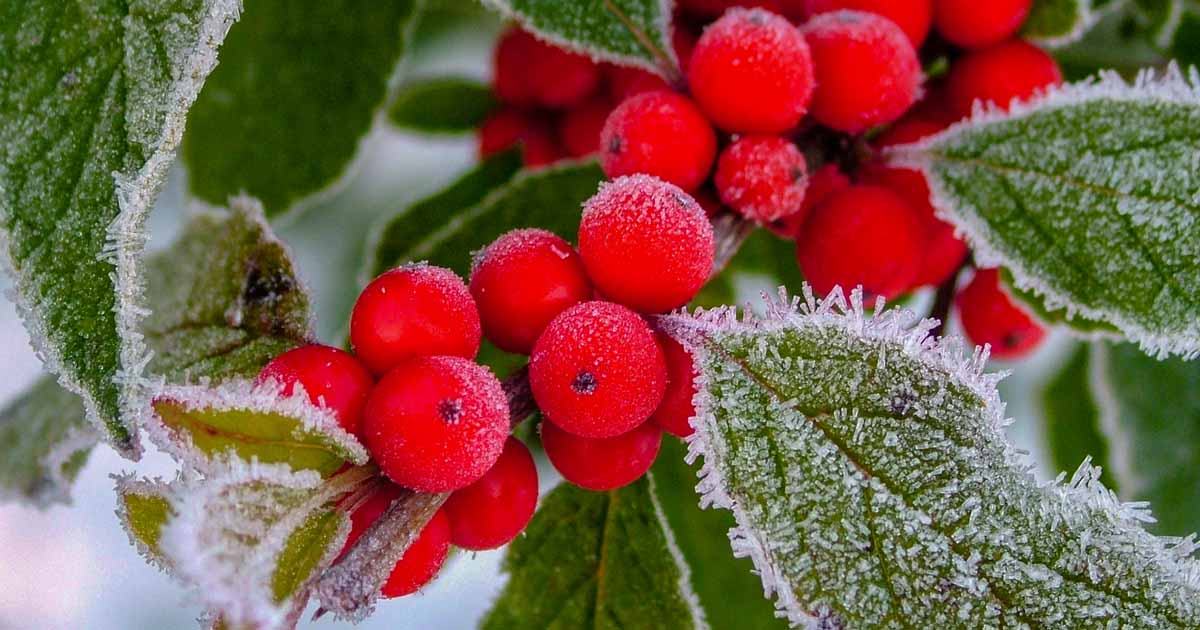
Plants with Colorful Berries
- American Beautyberry, Burford Holly, Chinese Holly, Foster Holly, Nellie R. Stevens Holly, Nandina, Pyracantha, and Washington Hawthorn.
What to Fertilize
- Use wood ashes on your vegetable garden, bulb beds and non-acid loving plants if the pH of the soil is below 6.0.
What to Plant
- Plant asparagus crowns this month when soil is dry enough to work.
What to Prune
- Prune grape vines and fruit trees.
- Prune broken and undesired limbs on your shade trees.
- Remove "weed" or undesirable trees from your landscape.
Pest Outlook
- None
Lawn Care
- Keep tree leaves from collecting on your lawn.
Propagation
- Hardwood cuttings of many landscape plants like forsythia (yellow bells), flowering quince, weigela, crape myrtle, juniper, spirea and hydrangea can be taken this month.
Specific Chores
- Do not forget to care for holiday house plants like poinsettia, amaryllis, Christmas cactus, gloxinia and cyclamen.
- Order your small fruit plants like strawberry, blueberry and blackberry for a mid-March planting.
- Study your home landscape to see what additions or improvements can be made this spring.
- Visit your local Extension Center for landscape and garden information.
- Prepare a spot in the vegetable garden for early spring vegetables like English peas, cabbage, carrots, onions, Irish potatoes, radishes, rutabagas, spinach and turnips.
- Study your seed catalogs and check for the All-America Selections of flowers and vegetables.
- Order fruit trees, if not done last fall.
- Contact the Extension Center to find out the recommended small fruit varieties for your area.
All Year's Garden Calendar