Gardeners have short memories. Every year we seem to get a late cold snap in late-April or May that threatens to kill our summer annual flowers and vegetables that we impetuously planted early. Thirty two degrees F is freezing but twenty eight degrees F is the killing temperature. My grandmother always said “Only a fool plants before Mother's Day.”
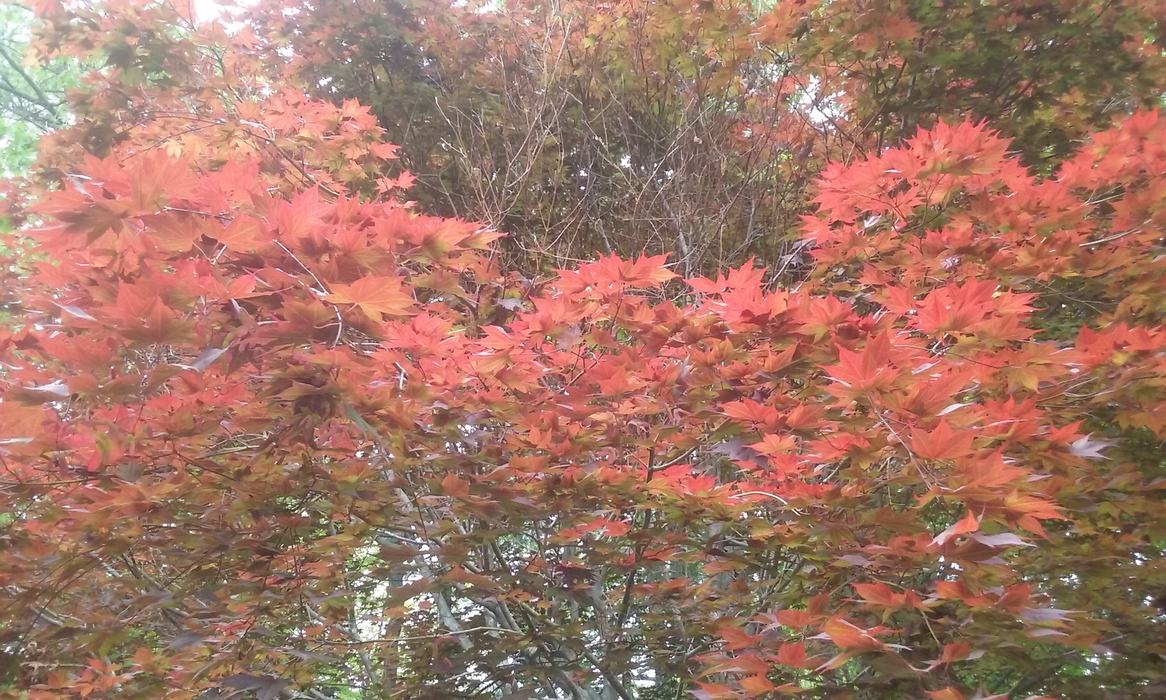
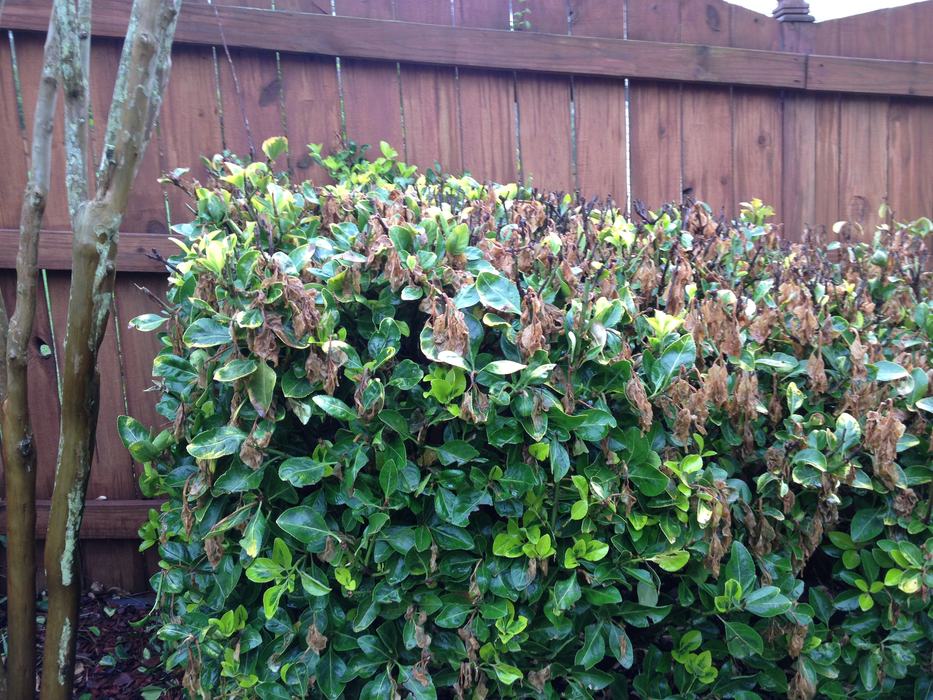
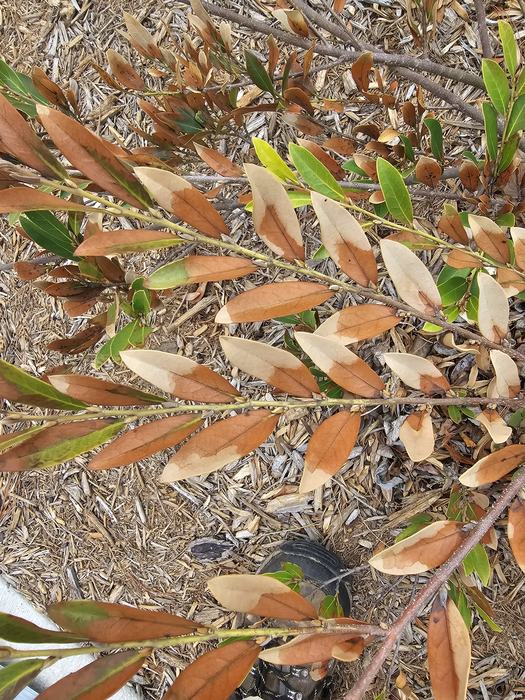
So it was that the late spring freeze in April 2020 really kicked us gardeners in our horticultural behinds, figuratively speaking of course. Old Jack Frost swooped in out of the north to punish us poor home gardeners with a brutal cold snap that set our gardens back to February 1st. Early-planted annuals were damaged as well as established trees and shrubs that leafed out early due to early-spring warm temperatures.
Sometimes cold damage is not noticed until plants fully leaf out.
As usual, some places in the county got hit harder than others. The unfortunate gardeners in the areas hit the hardest not only lost the leaves off of their ornamental plants. Even the leaves were frozen off of the native trees such as Tulip Poplars.
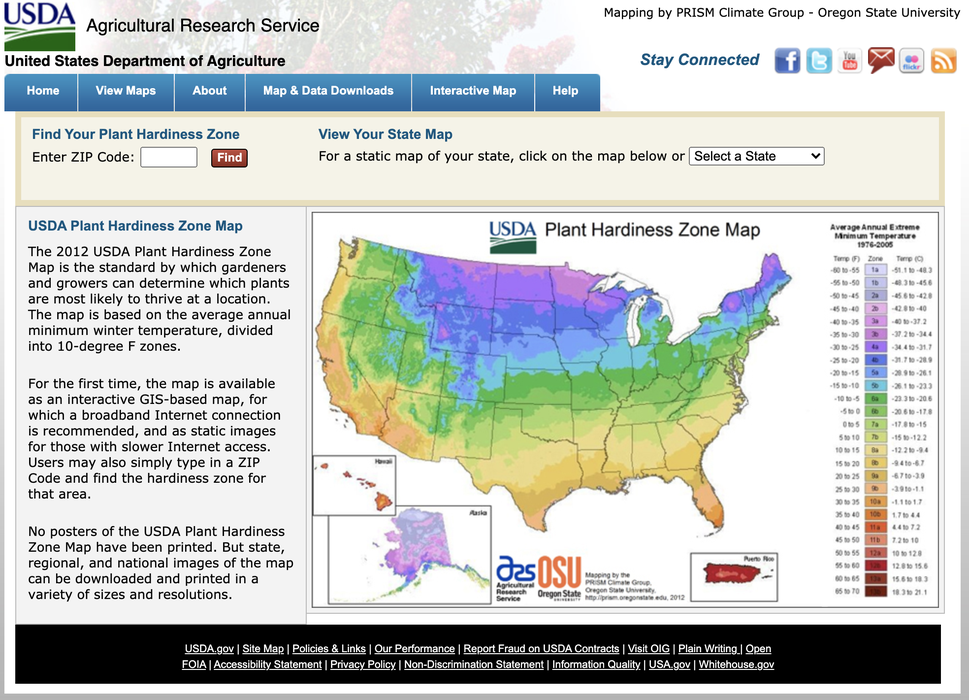
Woody ornamentals vary in their cold tolerance. The USDA Cold Hardiness map designates where certain plants will endure the lowest temperature. One should consult this map which is easily found on the web and in most gardening references, before purchasing plants.
With most frost damaged plants, a wait-and-see approach is usually the best option. Cold damage in plants is caused when low temperatures cause the water in plant cells to freeze. Ice crystals grow and puncture the cell walls in susceptible plant tissue. This renders plant tissues such as leaves into mush.
Woody plants react to cold damage as they would react to pruning. The buds just behind the damaged leaves or stems initiate growth. This new growth becomes this year’s wood and takes over. The dead frozen tissue dries out and is eventually shed.
Herbaceous plants suffer more from cold damage than woody plants do. Often times the tissues are softer and the plants are frozen at temperatures that would generally not hurt most woody ornamentals. Plants like hosta and daylily that regenerate from underground stems and roots are killed to the ground. Given time these plants will regenerate from the roots.
So, my advice is to let frozen plants be. In a couple of weeks they should flush out new growth and any dead tissue can be pruned away. With any luck in couple of weeks we gardeners of short memory will have forgotten all about it.