All you have to do to start a pollinator meadow is STOP mowing! Many of the 'weeds' in your lawn are native wildflowers.
Meadows combine perennial native wildflowers and grasses that supply both nectar and pollen to attract pollinators. Meadows can be beautiful additions to the landscape. Meadows provide an important solution to declining habitat for pollinators. Planting even a small meadow in your landscape can be beneficial.
Let the Garden Be More Natural
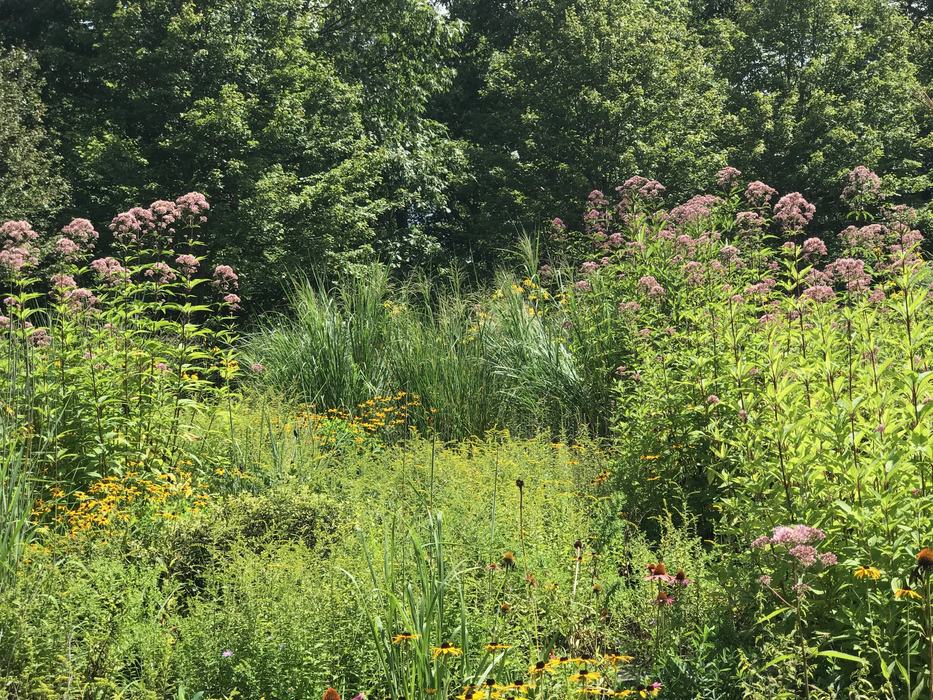
Meadows are one garden trend that buck the traditional template of a neat lawn dotted with beds of flowers. These gardens, which are becoming increasingly popular, are areas that combine both horticulture and ecology. The end result is a garden that is more naturalistic and filled with native plants that are diverse both in plant species and the animal populations they bring in.
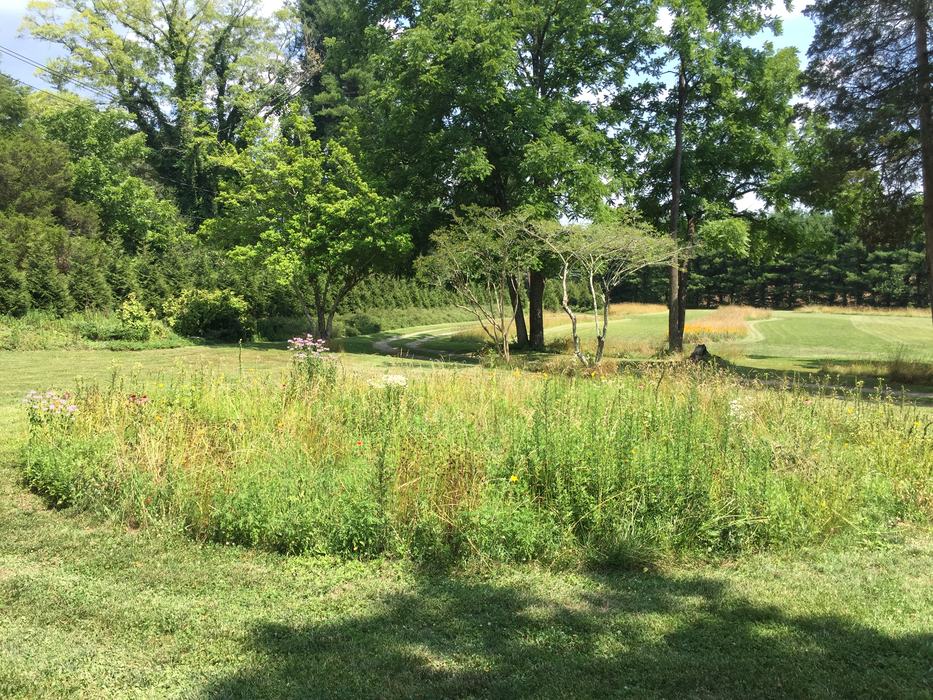
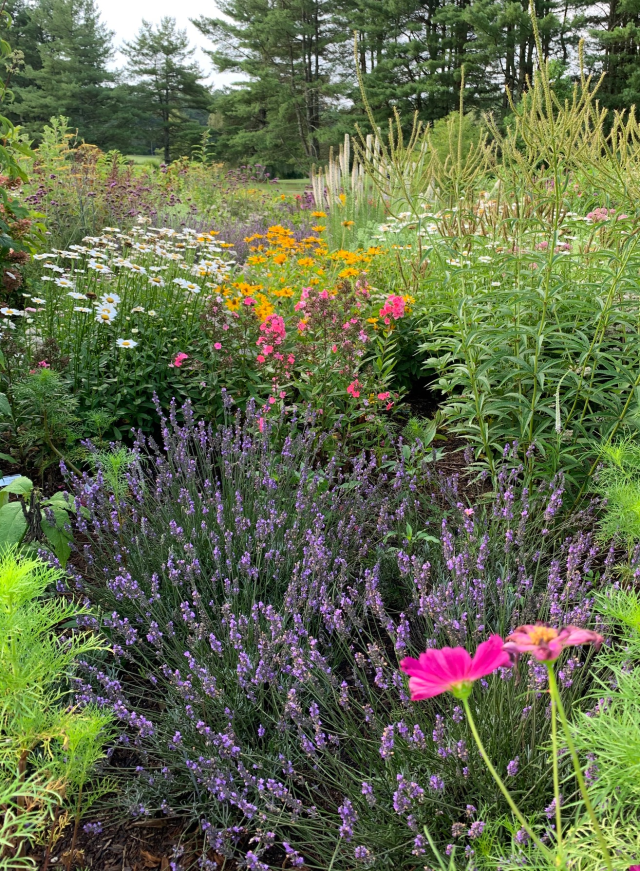
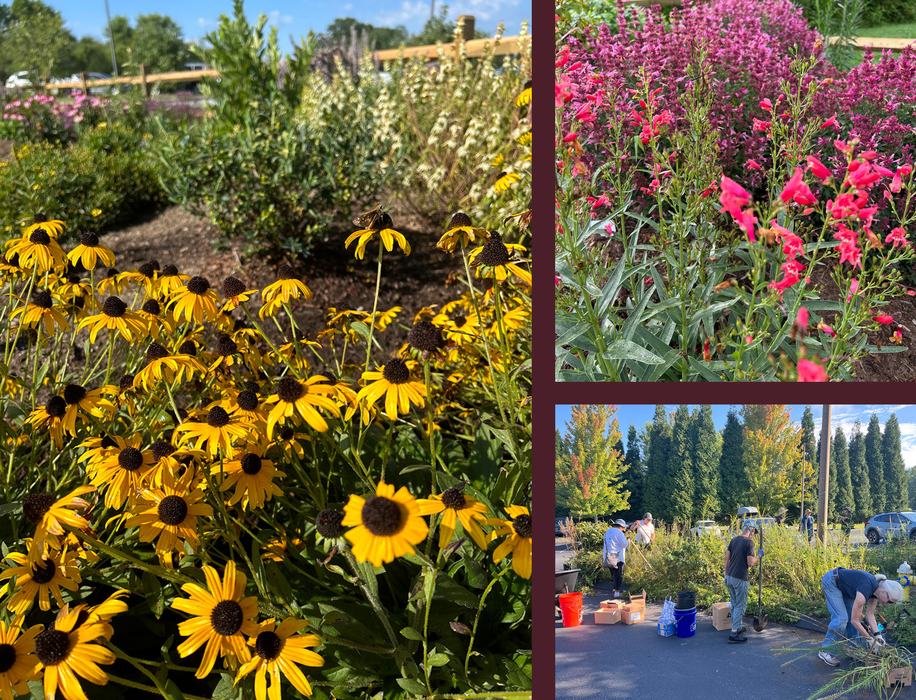
This was once a mowed grassy area. After a couple of summers it looked looked this.
Pollinators in Decline
Unfortunately, the news on pollinator insect populations is grim, with declines continuing to be recorded. A number of issues identified as potential causes include pests, disease, pesticides, pollutants and loss of habitat.
Meadows can be an important solution to declining pollinator insects. Meadow gardens are a way you can help supply food and habitat to a variety of bees, butterflies, moths, other beneficial insects and birds. As keystone species, the reproduction of over 85% of all flowering plants depends on pollinators, as well as three quarters of our food crops. Finding solutions to bolster these populations is as important as ever.
The goal of a pollinator meadow is to have a mix of native flowering broadleaf and grasses. Diversity is key to good habitat.
Designing a Meadow
Designing a meadow is much like designing other gardens, first considering sun and water conditions of the site. Plants are chosen for qualities of height, texture, color, and when they are showiest. Planting native wildflower seed mixes have moderate success in getting established. Planting plants is more successful, however the cost is much higher.
Maintaining a Meadow Garden
Once planted, meadows require little maintenance. The landscape is given free rein to evolve over time. At our local botanical gardens Bullington Gardens, the maintenance to the meadow there has amounted to cutting it down once a year in late winter. However with the meadow now being 6 years old, some perennials could benefit from dividing and others that are more aggressive growers, like mountain mint, may need to be reduced. Obviously, meadows should be as pesticide free as possible.
Pollinator plants can be seeded or planted as potted plants.
Meadows can be beautiful additions to the landscape. Meadows provide an important solution to declining habitat for pollinators. Planting even a small meadow in your landscape can be beneficial.