Have you ever been hiking at DuPont State Forest, Pisgah National Forest, or the Carl Sandburg Home Historical Site and run across big domes of rock in the woods? These rock domes are technically known as 'Southern Appalachian Granitic Domes'. They can be found throughout the southern Appalachian Mountains with Stone Mountain in Georgia being the largest example.
Granitic Domes in Henderson County
(Updated: Oct. 20, 2026, 8:55 a.m.)
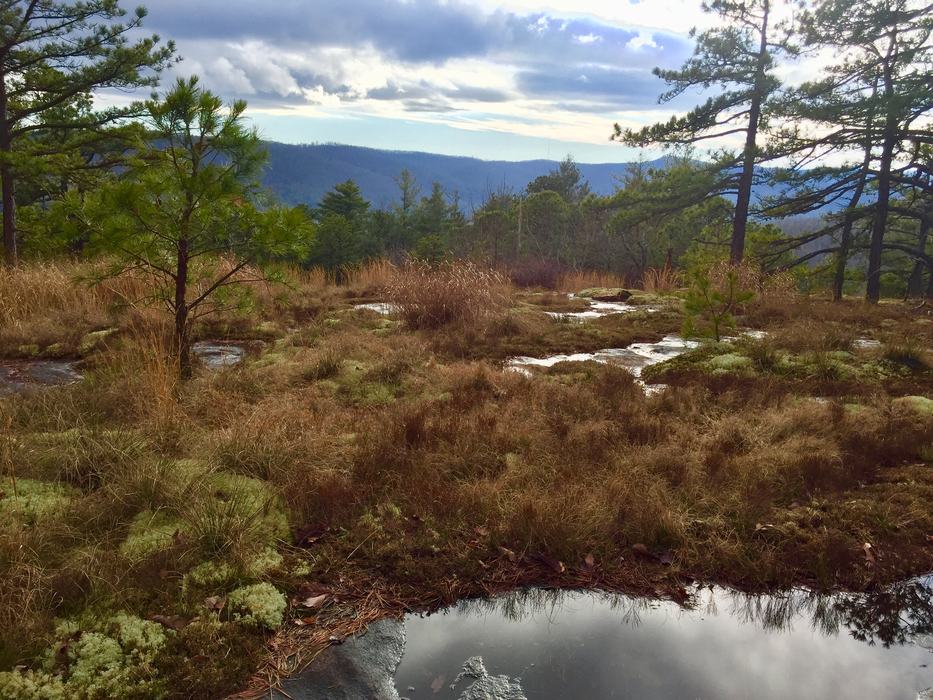
Southern Appalachian Granitic Dome in the Green River Preserve.
The granite in these domes has changed into a rock type called gneiss. Some are small being just a few yards across while others can be many acres. DuPont Forest has 83 of these special areas.
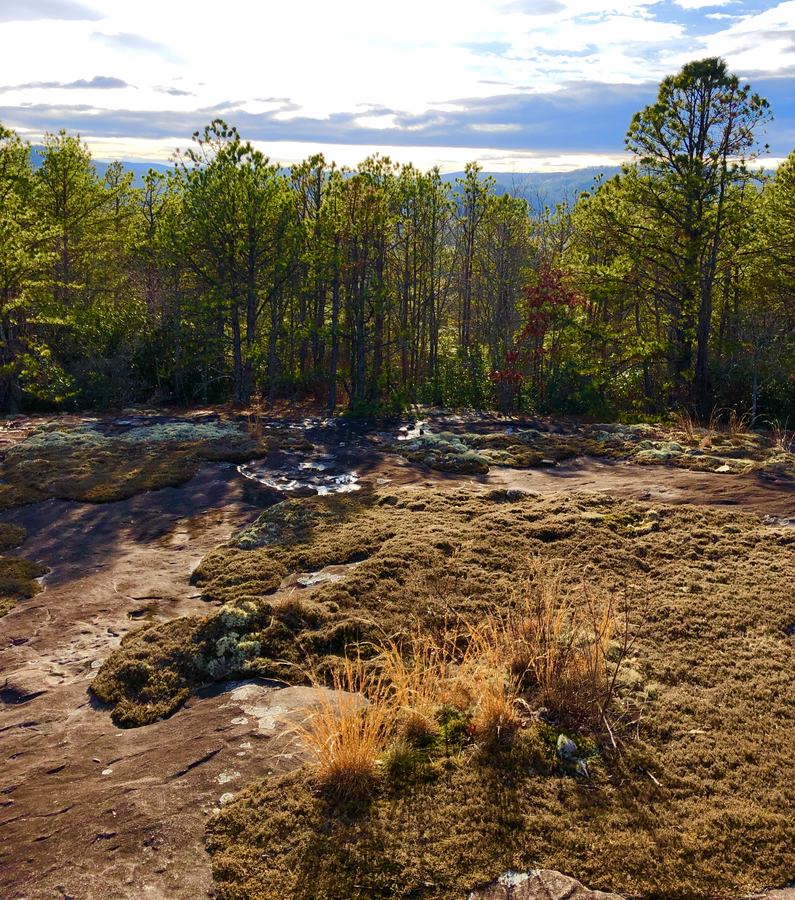
Southern Appalachian Granitic Dome in DuPont State Forest
Eons of water erosion can create pockmarks on the rock surface. Called 'panholes' these depressions can eventually get filled with organic material. Mosses, lichens, liverworts, grasses and other plants take root in the pockmark creating a 'plant island' ecosystem that can host very special plants and animals.
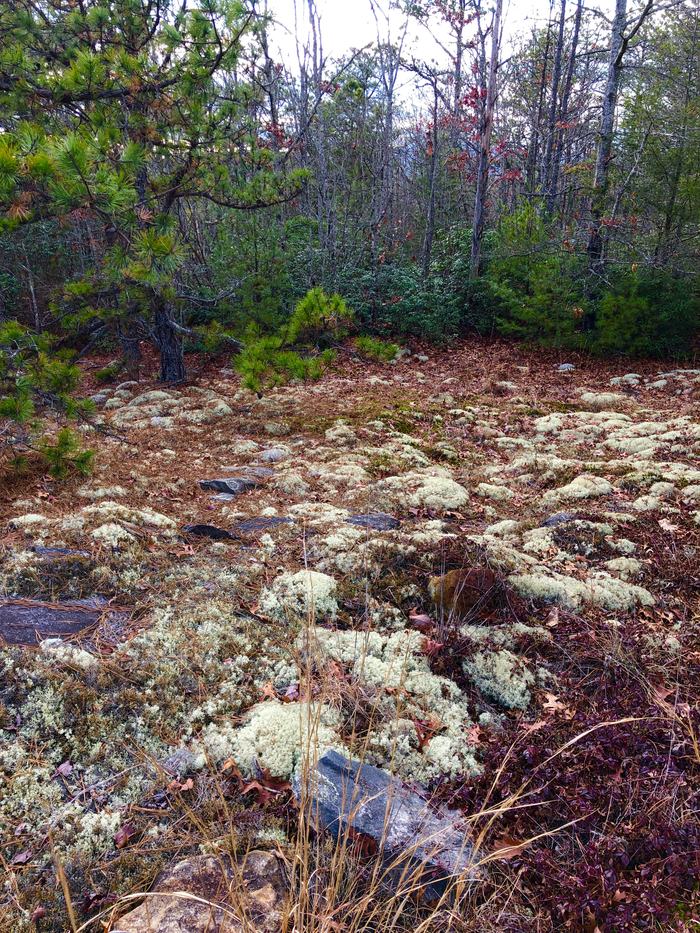
Tread lightly when hiking across a 'Southern Appalachian Granitic Dome'. These areas are delicate and can be home to protected species of plants and animals.
If you find one of these special 'Southern Appalachian Granitic Domes' while out hiking or on your own property treat them with care. Prevent invasive plants from taking over the areas. Protect the delicate mosses, lichens and plants by treading lightly and staying on the rock.
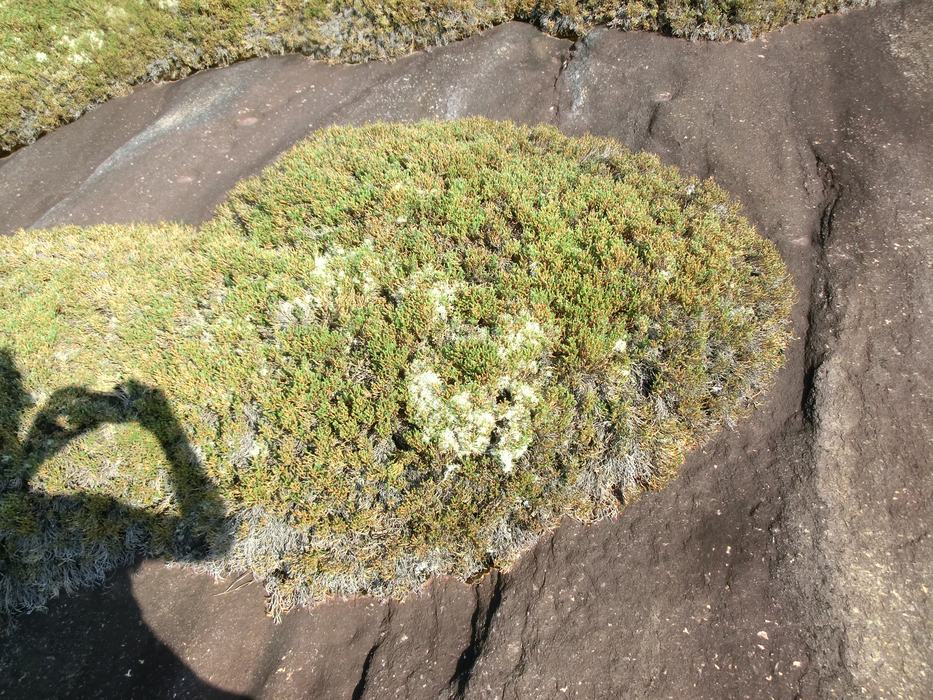
Moss-filled panhole on a Southern Appalachian Granitic Dome in DuPont Forest. The darker plant is Twisted-hair Spikemoss (Selaginella tortipila) and the lighter patches are Reindeer Moss (Cladonia rangiferina).
The information in this article is excerpted from an article called 'The Rock Domes of DuPont State Recreational Forest' By Alan Cameron, DuPont State Forest ecologist.
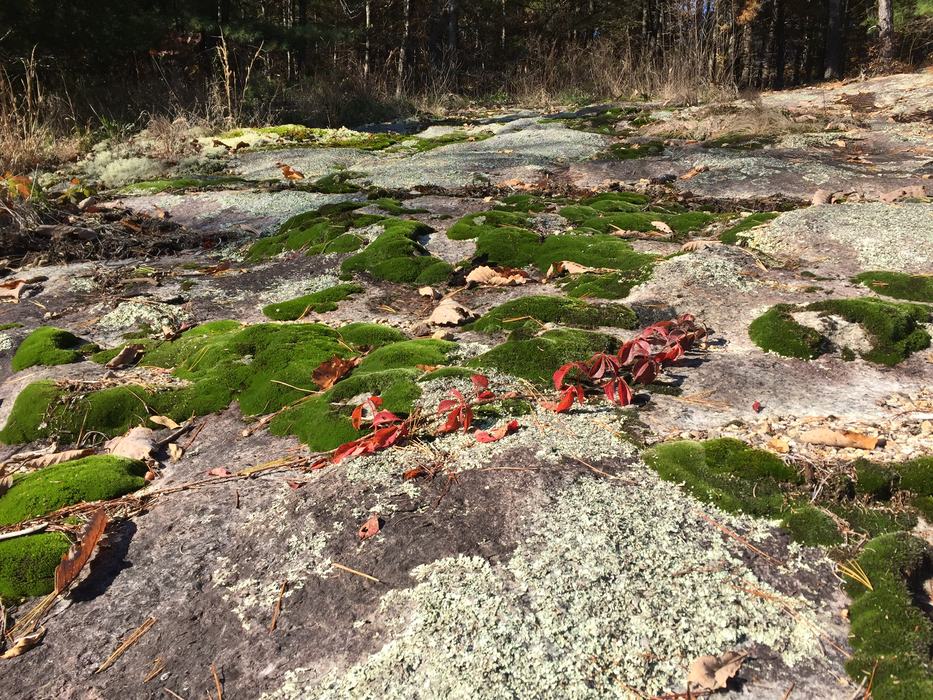
Granitic dome in the Carl Sandburg Home National Historic Site.
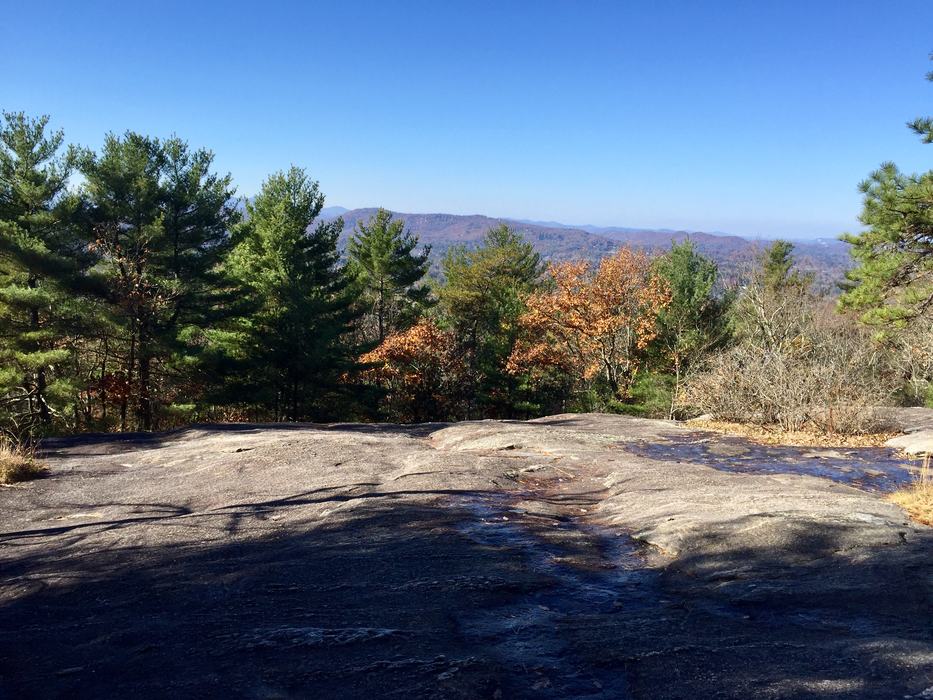
Granitic dome on Glassy Mountain in the Carl Sandburg Home National Historic Site.
Join our mailing list!
Enter your email address to receive updates.
Written By

More About